

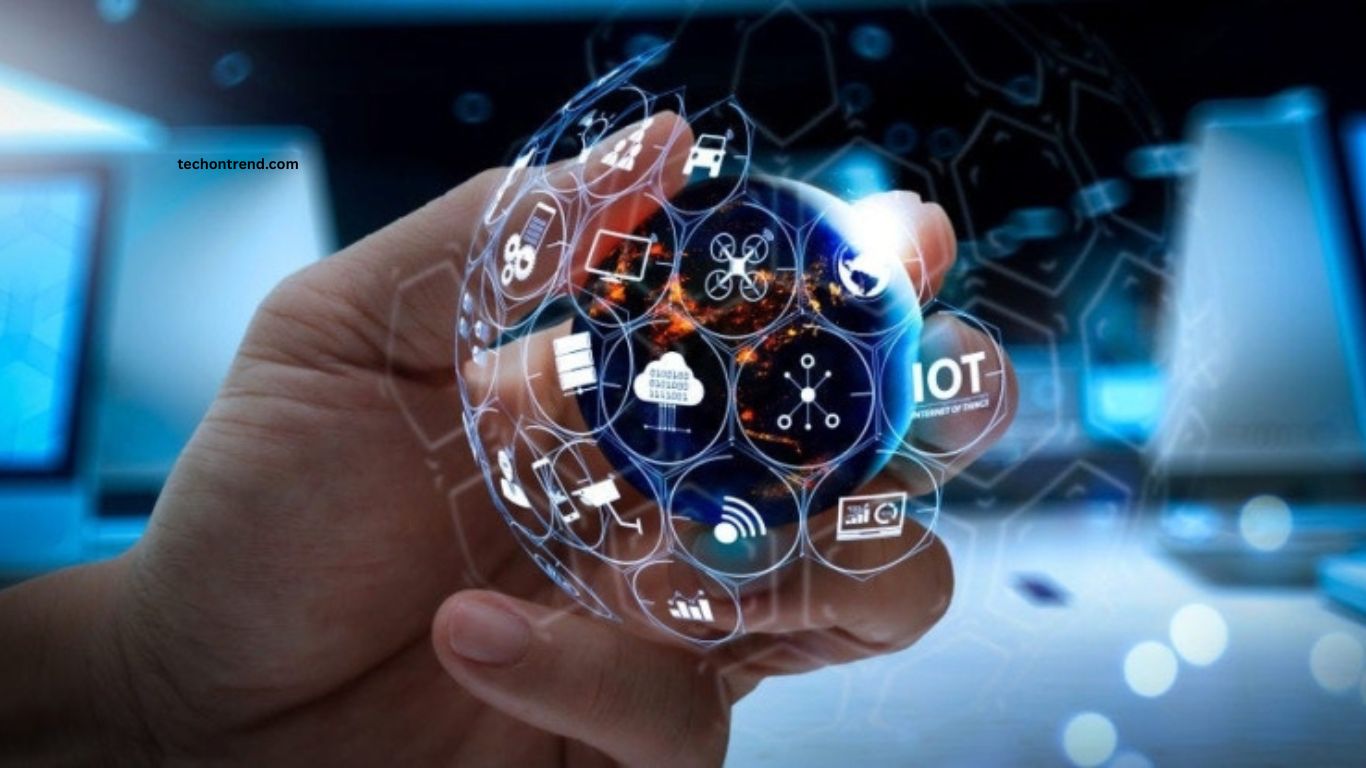
The digital world is entering a transformative era driven by artificial intelligence, cloud computing, advanced connectivity, blockchain, robotics, and next-generation cybersecurity. These technologies are changing how people work, communicate, shop, learn, travel, and manage everyday activities. Businesses are adopting smarter digital solutions to improve productivity, strengthen customer experiences, and remain competitive in a rapidly evolving market.
Tomorrow’s digital environment will become more connected, intelligent, automated, and personalized. Emerging technologies will work together rather than operate as isolated systems, creating powerful digital ecosystems across industries. Understanding these innovations provides valuable insight into how technology may shape businesses, communities, and daily life during the coming years.
Read More: How Smart Automation Is Improving Productivity
Artificial Intelligence and Machine Learning
Artificial intelligence stands among the most influential technologies shaping the future digital world. AI systems can analyze large volumes of information, recognize patterns, understand language, generate content, and support complex decision-making. Machine learning allows these systems to improve their performance by learning from data and experience.
Future AI applications may transform healthcare, education, finance, transportation, manufacturing, and customer service. AI-powered assistants could become more capable, while intelligent automation may handle repetitive business processes with greater speed and accuracy.
Generative AI will also continue changing digital content creation. Businesses can use intelligent tools for writing, design, software development, research, marketing, and data analysis. Human creativity will remain important, while AI will increasingly serve as a powerful productivity partner.
Cloud Computing
Cloud computing provides the infrastructure required for many modern digital services. Instead of depending entirely on physical servers, organizations can access computing power, storage, databases, and applications through internet-based platforms.
Future cloud environments are expected to become more flexible, secure, and intelligent. Edge computing will complement cloud technology by processing information closer to devices and users. This approach can reduce latency and support applications requiring rapid responses, including autonomous vehicles, smart factories, connected healthcare systems, and immersive digital experiences.
5G and Next-Generation Connectivity
Fast and reliable connectivity forms the foundation of tomorrow’s digital ecosystem. 5G networks are enabling faster communication, lower latency, and greater device connectivity. These capabilities support smart cities, connected vehicles, industrial automation, remote services, and Internet of Things applications.
Future connectivity technologies may deliver even greater speeds and reliability. As networks evolve, billions of connected devices could communicate continuously, creating digital environments where information moves almost instantly between people, machines, sensors, and cloud platforms.
Internet of Things
The Internet of Things connects physical objects to digital networks through sensors, software, and communication technologies. Smart homes already demonstrate this concept through connected lighting, security systems, appliances, thermostats, and entertainment devices.
The future IoT ecosystem will extend far beyond homes. Smart cities may use connected sensors to manage traffic, energy consumption, waste collection, public safety, and environmental monitoring. Businesses can use industrial IoT systems to monitor equipment, predict maintenance requirements, and improve operational efficiency.
Robotics and Intelligent Automation
Robotics is moving beyond traditional industrial environments. Modern robots can increasingly understand surroundings, respond to changing conditions, and cooperate with human workers.
Intelligent automation will play an important role across manufacturing, logistics, agriculture, healthcare, hospitality, and retail. Robots may perform dangerous, repetitive, or highly precise tasks while humans focus on creative thinking, leadership, problem-solving, and strategic decisions.
Humanoid robotics could also become more prominent as advances in AI, sensors, batteries, and mechanical engineering continue. Their long-term impact will depend on affordability, safety, reliability, and social acceptance.
Blockchain and Digital Trust
Blockchain technology offers a decentralized approach to recording and verifying transactions. Its ability to create transparent and tamper-resistant records has attracted interest across finance, supply chains, digital identity, healthcare, and other sectors.
Future blockchain applications may support secure digital credentials, automated contracts, asset ownership systems, and decentralized services. Smart contracts can execute predefined actions automatically when specific conditions are satisfied, potentially reducing administrative processes and improving efficiency.
Cybersecurity and Digital Privacy
Greater digital connectivity also creates greater cybersecurity challenges. As organizations collect and process more information, protecting systems, devices, identities, and personal data becomes increasingly important.
Future cybersecurity strategies will rely on advanced threat detection, AI-assisted monitoring, stronger authentication, encryption, and zero-trust security models. Organizations will need continuous protection rather than relying solely on traditional security measures.
Digital privacy will become equally important. Consumers are becoming more aware of how companies collect, store, analyze, and share personal information. Responsible data management will therefore become an essential part of building digital trust.
Extended Reality and Immersive Experiences
Virtual reality, augmented reality, and mixed reality are creating new ways to interact with digital information. These technologies can combine physical and virtual environments for entertainment, education, training, design, communication, and professional collaboration.
Future immersive platforms could make remote collaboration feel more natural. Students may experience interactive virtual classrooms, engineers could visualize digital prototypes in physical environments, and employees may receive realistic training without entering hazardous workplaces.
Quantum Computing
Quantum computing represents a more experimental but potentially revolutionary area of technology. Unlike traditional computers, quantum computers use quantum principles to process information in fundamentally different ways.
Although large-scale practical quantum computing remains challenging, future systems could contribute to areas such as advanced simulations, materials science, optimization, cryptography, and pharmaceutical research. Quantum technology may eventually influence industries that require extremely complex computational processes.
Sustainable Digital Technologies
The future digital world must also address environmental challenges. Data centers, electronic devices, communication networks, and large-scale computing systems require significant energy and resources.
Green computing focuses on reducing energy consumption, improving hardware efficiency, extending device lifespans, and increasing the use of renewable energy. Sustainable technology will become increasingly important as digital infrastructure expands globally.
The Convergence of Emerging Technologies
The biggest transformation may come from the convergence of multiple technologies rather than from one innovation alone. AI can analyze IoT data, cloud platforms can provide computing resources, 5G can connect devices, robotics can act on intelligent decisions, and cybersecurity can protect the entire ecosystem.
This technological convergence could create highly automated digital environments. A smart factory, for example, could use connected sensors to monitor machinery, AI to identify potential problems, cloud platforms to analyze information, robots to perform maintenance tasks, and cybersecurity systems to protect operations.
Challenges Shaping Tomorrow’s Digital World
Technological progress also creates important challenges. Privacy concerns, cybersecurity threats, digital inequality, misinformation, workforce disruption, regulatory uncertainty, and ethical questions require responsible solutions.
Businesses and governments will need effective policies that encourage innovation while protecting individuals and communities. Education and digital skills will become increasingly valuable as workplaces evolve alongside technology.
Human oversight will remain essential. Technology can improve efficiency and decision-making, but responsible development requires transparency, accountability, fairness, and consideration of long-term social effects.
Frequently Asked Questions
What technologies will shape the future digital world?
Artificial intelligence, cloud computing, 5G, IoT, robotics, blockchain, cybersecurity, extended reality, and quantum computing are among the major technologies shaping the future.
How will artificial intelligence affect the digital future?
AI will improve automation, decision-making, content creation, data analysis, customer services, and personalized digital experiences across numerous industries.
Why is cybersecurity important for future technology?
Greater connectivity creates more opportunities for cyber threats. Strong cybersecurity will protect digital identities, personal information, business systems, and connected devices.
What role will IoT play in tomorrow’s world?
IoT will connect homes, vehicles, factories, cities, healthcare systems, and other environments, allowing devices to collect and exchange information efficiently.
Will robotics replace human workers?
Robotics will automate many repetitive, dangerous, and highly precise tasks. Human creativity, judgment, communication, leadership, and problem-solving will remain valuable.
How will cloud computing support future technologies?
Cloud computing will provide scalable infrastructure, storage, applications, and processing power required by AI, IoT, business platforms, and other digital services.
Conclusion
The technologies behind tomorrow’s digital world are already transforming modern society. Artificial intelligence, cloud computing, advanced connectivity, IoT, robotics, blockchain, cybersecurity, immersive technologies, and quantum computing each offer significant opportunities for future innovation. The most powerful digital future will emerge when these technologies work together responsibly.
