

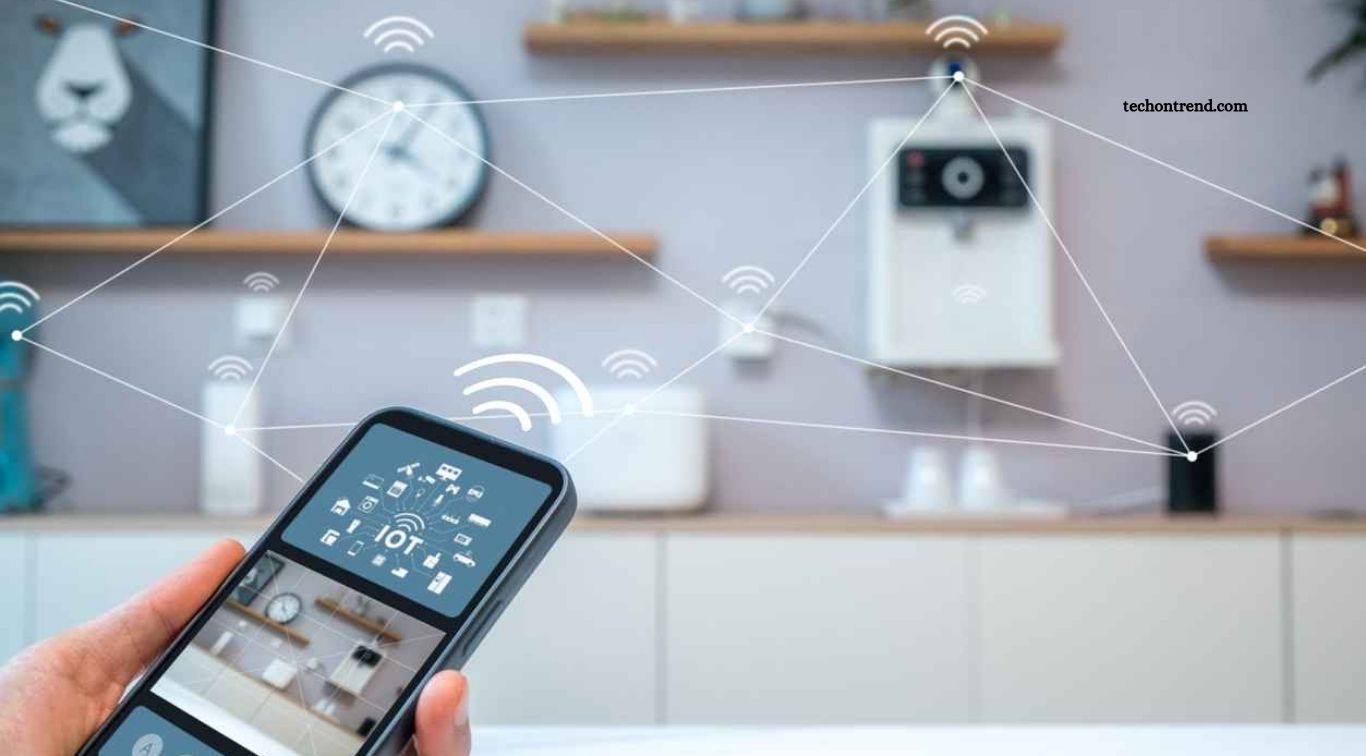
Next-generation devices are transforming how people communicate, work, learn, travel, and manage everyday responsibilities. Advances in artificial intelligence, wireless connectivity, automation, and portable technology are creating smarter tools that offer greater convenience and efficiency. From intelligent home appliances to wearable health trackers, modern devices are becoming more useful in daily routines.
Technology is no longer limited to computers and smartphones. Smart glasses, advanced wearables, AI-powered assistants, and connected household systems are introducing new ways to interact with the digital world. These innovations help people save time, simplify routine activities, and access information more easily. Understanding these emerging devices can help consumers make informed decisions about the technology worth exploring.
Read More: The Smartest Gadgets Worth Exploring This Year
AI-Powered Smart Assistants
Artificial intelligence has made smart assistants more capable and practical. Modern AI-powered devices can answer questions, summarize information, manage schedules, provide recommendations, and help users complete everyday tasks. Some systems also support voice commands, making interaction easier when users are busy cooking, working, or traveling.
As AI technology improves, these assistants are becoming more personalized and context-aware. They can support students with learning activities, help professionals organize tasks, and assist households with routine planning. However, users should review privacy settings carefully, especially when devices collect voice recordings, personal information, or other sensitive data.
Advanced Wearable Technology
Wearable devices have expanded beyond basic fitness tracking. Modern smartwatches, fitness bands, and smart rings can monitor activity, measure heart rate, track sleep patterns, and provide reminders about movement. These features help users understand daily habits and make more informed decisions about personal wellness.
Newer wearables are also becoming smaller, lighter, and more comfortable for extended use. Some devices offer additional health-related measurements, although available features and accuracy vary by model. Wearables can provide useful general information, but they should not replace professional medical advice or appropriate health assessments.
Smart Glasses and Augmented Reality
Smart glasses are introducing new ways to access digital information without constantly looking at a smartphone. Depending on the model, these devices may support hands-free calls, audio playback, photography, navigation, and voice-controlled assistance. Their familiar appearance can make them convenient for users who want technology integrated into everyday activities.
Augmented reality technology adds digital elements to a view of the real world. AR-enabled glasses and headsets can display instructions, virtual objects, or contextual information. These capabilities may support education, workplace training, navigation, and entertainment. As devices become more comfortable and affordable, their usefulness could expand across more everyday situations.
Smart Home Devices
Smart home technology allows household devices to communicate and respond to user preferences. Smart lights, thermostats, security cameras, door locks, and connected appliances can make home management more convenient. Users may control compatible products through mobile applications, voice commands, or automated schedules.
These systems can also support energy efficiency by adjusting lighting and temperature according to household needs. For example, automated lights can switch off when they are unnecessary, while smart thermostats can help manage heating and cooling. Buyers should check compatibility between devices and secure connected systems with strong passwords and available software updates.
Foldable Smartphones and Flexible Displays
Foldable smartphones combine portable designs with larger screens that unfold when needed. These devices can provide additional space for reading, video calls, multitasking, gaming, and productivity applications. Some models offer tablet-like viewing areas while remaining compact enough to carry in a pocket.
Flexible display technology continues to develop, with manufacturers working to improve durability, screen quality, and hinge design. Although foldable devices can offer greater versatility, they may cost more than traditional smartphones. Consumers should compare battery life, repair costs, software support, and overall durability before choosing one.
Next-Generation Wireless Earbuds
Wireless earbuds have become essential accessories for communication, entertainment, and remote work. Modern models often include active noise cancellation, improved microphones, touch controls, and connections to multiple devices. These features help users listen to music, attend online meetings, and make calls with fewer interruptions.
Some advanced earbuds also offer conversation translation, voice assistance, spatial audio, and adaptive sound features. Their performance depends on the hardware, software, language support, and surrounding environment. As these capabilities improve, wireless earbuds may become more useful for travel, learning, and everyday communication.
Portable Power Stations and Smart Chargers
Portable power stations and advanced charging devices help people keep essential electronics running throughout the day. Compact power banks can recharge smartphones, tablets, and compatible accessories, while larger portable stations may support laptops, networking equipment, and selected household devices.
New charging technologies focus on faster power delivery, improved energy management, and greater compatibility. Some products also support solar charging, making them useful for camping, travel, and emergency preparedness. Consumers should check battery capacity, supported charging standards, safety certifications, and device compatibility before purchasing a power solution.
AI-Powered Personal Computers
Personal computers are evolving through faster processors, improved graphics, and dedicated hardware for artificial intelligence tasks. Some newer computers can run supported AI features locally, including image processing, transcription, writing assistance, and productivity tools. Local processing may reduce the need to send certain information to remote servers, depending on the application.
These computers can help professionals work more efficiently and give students access to new learning tools. Features vary significantly between devices, so buyers should examine memory, storage, battery life, operating system support, and software requirements. An AI-capable computer is most valuable when its features support tasks the user performs regularly.
Smart Kitchen Appliances
Smart kitchen devices are helping households prepare meals, organize ingredients, and manage cooking routines. Connected ovens, programmable coffee makers, smart thermometers, and advanced multicookers offer features designed to improve convenience and consistency. Some models allow users to monitor cooking progress through mobile applications.
These appliances can be especially helpful for busy households that want to reduce preparation time. However, smart features are not always necessary for every kitchen. Choosing reliable equipment with straightforward controls, useful safety features, and easy cleaning can provide greater value than paying extra for functions that rarely get used.
Advanced Electric Mobility Devices
Electric mobility technology is changing how people travel short distances and commute through urban areas. Electric bicycles, scooters, and newer personal transportation devices offer alternatives to some car journeys. They may reduce local emissions when replacing fuel-powered trips and can make certain journeys more convenient.
Battery improvements, better motor systems, and connected navigation features continue to influence this market. However, riders should consider road conditions, local regulations, protective equipment, charging access, and battery safety. Selecting a device that suits the intended journey is essential for reliable and responsible transportation.
Home Robots and Automated Cleaning Devices
Home robots are becoming more capable of handling repetitive household tasks. Robot vacuum cleaners, floor-mopping devices, and selected window-cleaning robots can reduce the effort required to maintain living spaces. Many models use sensors and mapping features to navigate rooms and avoid common obstacles.
More advanced systems may integrate with smart home platforms and allow users to schedule cleaning remotely. Their effectiveness depends on room layout, floor type, obstacle detection, and maintenance requirements. These devices can save time, although users may still need to clean corners, move objects, and empty collection containers manually.
Digital Health and Remote Monitoring Devices
Digital health devices help people access certain health services and monitor selected measurements outside traditional clinical settings. Home blood pressure monitors, digital thermometers, connected scales, and compatible medical devices can provide information that users may share with healthcare professionals.
Remote monitoring can support ongoing care when used appropriately and with professional guidance. However, device quality and measurement accuracy vary, and not every consumer gadget is suitable for medical decisions. Users should choose validated equipment where applicable, follow instructions carefully, and consult qualified professionals when readings cause concern.
How to Choose the Right Next-Generation Device
Choosing the right device starts with identifying a real need. A smart assistant may help organize daily tasks, while a wearable tracker may support fitness goals. Someone who works remotely might benefit more from quality headphones or a capable laptop than from an expensive gadget with features they rarely use.
Budget, reliability, compatibility, and privacy should also influence purchasing decisions. Compare specifications, warranty coverage, software support, repair options, and independent reviews before buying. Consider whether a device requires recurring subscriptions or collects personal information. The best technology is not necessarily the newest or most expensive option; it is the one that delivers practical benefits over time.
The Future of Everyday Devices
Next-generation devices will likely become more connected, personalized, and efficient as AI, sensors, battery technology, and wireless communication continue to improve. Future products may coordinate household tasks, simplify digital communication, support accessibility, and provide more useful information throughout the day.
At the same time, manufacturers and consumers will need to address privacy, cybersecurity, electronic waste, and responsible technology use. Better innovation should focus not only on adding features but also on making devices dependable, secure, repairable, and accessible to more people.
Frequently Asked Questions
What are next-generation devices?
Next-generation devices are modern electronic products that use advanced technologies such as AI, sensors, automation, and wireless connectivity to improve everyday tasks.
Which next-generation devices are most useful?
Smartphones, wearable trackers, wireless earbuds, AI-enabled computers, and smart home devices offer practical benefits for many users.
How do AI-powered devices improve daily life?
AI-powered devices can help organize schedules, answer questions, automate selected tasks, and provide personalized assistance.
Are smart home devices worth buying?
They can be worthwhile when they improve convenience, security, or energy management and fit the user’s budget.
Are wearable devices accurate?
Accuracy varies by device and measurement. Wearables can help track general trends but should not replace professional medical assessments.
What should I consider before buying a new gadget?
Compare price, features, battery life, durability, compatibility, privacy settings, warranty coverage, and long-term support.
Conclusion
Next-generation devices are changing everyday life by making communication, home management, personal wellness, transportation, and productivity more convenient. AI assistants, smart wearables, foldable phones, connected appliances, and home robots demonstrate how technology continues to reshape daily routines. Exploring these innovations can help consumers discover tools that fit their lifestyles and priorities. By focusing on practical benefits, comparing available options, and considering privacy and long-term costs, users can enjoy modern technology without unnecessary spending.
