

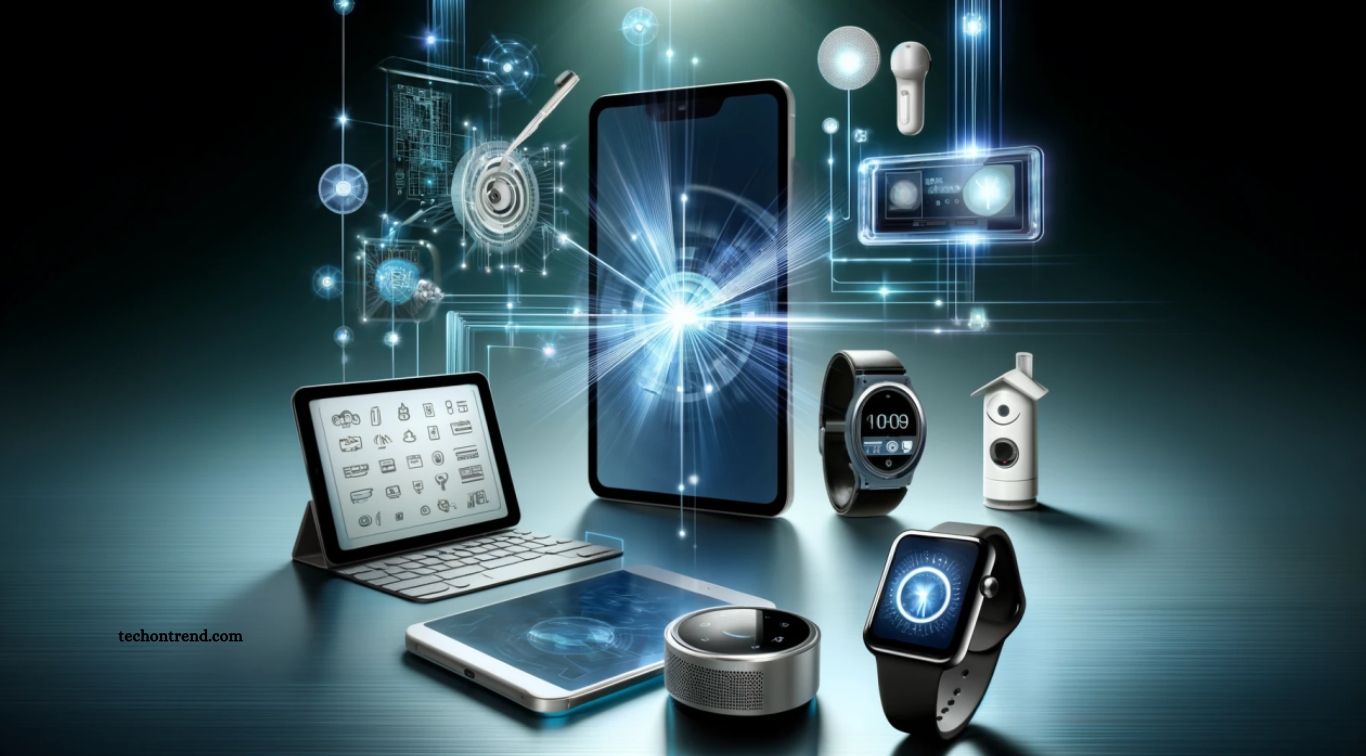
Personal technology devices have changed the way people communicate, work, learn, and enjoy entertainment. From early radios and bulky desktop computers to modern smartphones, smartwatches, and wireless gadgets, technology has become an essential part of everyday life. Devices that once performed only one or two basic functions can now handle multiple tasks through powerful processors, internet connectivity, and intelligent software.
The evolution of personal technology devices reflects decades of innovation in electronics, computing, communication, and design. Smaller components, faster processors, improved batteries, and wireless networks have made digital tools more portable and accessible. This article explores how personal devices have developed, the technologies behind modern gadgets, and the trends that may shape the next generation of everyday technology.
Read More: Must-Have Gadgets for Students and Professionals
Early Personal Technology Devices
Early personal technology devices were designed to perform specific tasks, such as listening to music, making phone calls, or capturing photographs. Radios, calculators, cassette players, and basic cameras became popular because they allowed people to enjoy technology outside professional or industrial environments. Although these devices had limited capabilities compared with modern gadgets, they introduced the idea of using electronic tools for personal convenience.
During the late twentieth century, portable electronics became increasingly common. Devices such as Walkmans, pocket calculators, handheld gaming systems, and early mobile phones gave users more freedom to access entertainment and information while traveling. Improvements in electronic components gradually reduced device size and power consumption, creating the foundation for today’s compact personal technology.
The Rise of Personal Computers
Personal computers played a major role in changing how people used technology at home, school, and work. Early home computers introduced individuals to digital applications, basic programming, word processing, and simple games. As computer hardware became more affordable, desktop systems moved beyond specialist environments and became useful tools for students, families, businesses, and creative professionals.
The development of graphical user interfaces made computers easier to operate, while improvements in processors, memory, and storage expanded their capabilities. Users could create documents, manage files, browse digital media, and connect with others through emerging communication services. Personal computers also helped establish the software ecosystem that continues to support modern laptops, tablets, and smartphones.
The Evolution of Mobile Phones
Mobile phones initially focused on voice communication and were often large, expensive, and limited in functionality. As mobile networks developed, phones became smaller and more accessible, while features such as text messaging, contact storage, cameras, and basic internet access expanded their usefulness. These changes transformed mobile phones from simple communication tools into everyday personal devices.
The arrival of smartphones introduced a major shift by combining phone calls, internet browsing, cameras, navigation, media playback, and applications in one device. Touchscreens and mobile operating systems made it easier to interact with digital services, while app stores allowed developers to create tools for almost every activity. Smartphones now serve as communication centers, cameras, entertainment systems, payment tools, and productivity devices.
The Growth of Laptops and Portable Computing
Laptops made personal computing more flexible by allowing users to carry their work and digital information between locations. Early portable computers were relatively heavy and had limited battery life, but advances in processors, display technology, storage, and battery design gradually improved their portability. Modern laptops can support professional workloads, creative projects, online education, and entertainment in compact designs.
Ultrabooks, convertible laptops, and lightweight notebooks have expanded the choices available to consumers. Some models include touchscreens and tablet-style folding designs, while others prioritize long battery life and high performance. Improvements in wireless connectivity and cloud services also allow users to access files and applications from different locations, making portable computers valuable for remote work and flexible learning.
Tablets and the Changing User Experience
Tablets introduced a convenient middle ground between smartphones and laptops. Their larger touchscreens make them suitable for reading, watching videos, browsing the internet, taking notes, and using creative applications. Because they are generally lighter than traditional laptops, tablets have become useful for students, travelers, artists, and people who prefer touchscreen interaction.
Modern tablets offer features such as stylus support, detachable keyboards, multitasking tools, and high-resolution displays. Some models can handle advanced creative and productivity tasks, while others focus on entertainment and everyday browsing. Although tablets do not replace laptops for every user, they provide a flexible option for people who need portable computing with a simple interface.
Wearable Technology and Smart Devices
Wearable technology has expanded personal computing beyond phones and computers. Smartwatches, fitness bands, wireless earbuds, and smart glasses allow users to access digital features while moving through daily activities. These devices can display notifications, play audio, connect with smartphones, and support selected health, fitness, and communication functions depending on their design.
Smartwatches have become particularly popular because they combine traditional timekeeping with digital convenience. Many models provide activity tracking, GPS features, contactless payments, and smartphone notifications. Wireless earbuds have also improved through better sound quality, compact charging cases, and noise-control features. As wearable devices become more capable, comfort, battery life, privacy, and compatibility remain important factors for consumers.
The Role of Internet Connectivity
Internet connectivity has played a major role in the evolution of personal technology devices. Early computers and mobile phones often operated independently, but broadband, Wi-Fi, and mobile data networks made it possible to connect devices to online services. People can now communicate instantly, stream entertainment, access digital information, and manage files across multiple devices.
Cloud computing has made connected technology even more useful by allowing information to synchronize between phones, tablets, laptops, and other compatible systems. Users can begin a task on one device and continue it on another without manually transferring every file. However, connected devices also create security and privacy responsibilities. Strong passwords, software updates, secure networks, and careful permission settings help protect personal information.
Artificial Intelligence in Personal Devices
Artificial intelligence is becoming an important feature in modern personal technology. AI-powered assistants can respond to voice commands, organize information, summarize content, and help users complete everyday tasks. Smartphones and computers increasingly include intelligent features for photography, writing support, translation, search, accessibility, and personalized recommendations.
AI also helps devices process information more efficiently by analyzing user commands and adjusting selected functions. For example, a smartphone camera may automatically improve image settings, while a computer can use AI tools to summarize documents or assist with creative work. These features can save time, but users should review important results and understand how their data is handled. Responsible AI development will remain important as intelligent tools become more deeply integrated into personal devices.
Smart Home Technology and Connected Gadgets
Smart home technology has expanded the role of personal devices beyond individual screens. Smart speakers, connected lights, security cameras, thermostats, and home appliances can communicate through wireless networks and compatible applications. Users may control selected functions remotely, create automation routines, and monitor devices through smartphones or voice assistants.
Connected gadgets can make household tasks more convenient, but compatibility is an important consideration. Different products may use different communication standards, applications, and account systems. Consumers should check whether devices work together, receive security updates, and provide suitable privacy controls. A carefully planned smart home setup can improve convenience without creating unnecessary complexity.
How Personal Technology Has Changed Daily Life
Personal technology devices have made communication faster and information easier to access. Smartphones and computers allow people to attend online meetings, study through digital platforms, manage finances, shop, and communicate with family members from almost anywhere. Portable cameras and creative applications have also made photography, video production, and content creation more accessible to everyday users.
These devices have changed entertainment and social interaction as well. Streaming services, digital games, e-books, and social platforms provide a wide range of activities through connected screens. At the same time, constant notifications and extended screen use can create distractions. Developing healthy technology habits, managing notifications, and taking regular breaks can help people enjoy digital convenience while maintaining balance.
Challenges of Modern Personal Technology Devices
Despite their benefits, modern devices come with several challenges. Frequent product releases can encourage unnecessary upgrades, while expensive flagship models may be difficult for some consumers to afford. Battery degradation, software compatibility, repair costs, and limited support periods can also affect how long a device remains useful. Choosing products based on practical needs rather than marketing trends can help users make better purchasing decisions.
Electronic waste is another important concern because discarded devices contain materials that require responsible handling. Manufacturers and consumers can help reduce waste by extending device lifespans, repairing products when practical, and recycling electronics through appropriate programs. Privacy and cybersecurity also require attention as more personal devices collect information and connect to online services. Secure settings and responsible usage are essential parts of modern digital life.
The Future of Personal Technology Devices
The future of personal technology may include more advanced AI assistants, flexible displays, improved wearable devices, and new ways to interact with digital information. Devices are likely to become more context-aware and better connected, allowing users to move between different screens and services with less effort. Advances in processors and energy-efficient components may also improve performance while supporting longer battery life.
Emerging technologies such as augmented reality, spatial computing, and more capable voice interfaces could change how people interact with digital content. At the same time, manufacturers will need to address affordability, repairability, privacy, accessibility, and environmental impact. The most successful devices will likely be those that provide useful features while remaining reliable, secure, and easy to use.
Frequently Asked Questions
What are personal technology devices?
They are electronic devices designed for individual use, including smartphones, laptops, tablets, smartwatches, and wireless gadgets.
How have personal technology devices evolved?
They have become smaller, faster, more portable, and more connected, offering multiple functions through advanced hardware and software.
What was one of the most important developments in personal technology?
The smartphone was a major development because it combined communication, computing, photography, navigation, and entertainment in one device.
How has AI changed personal devices?
AI supports features such as voice assistants, smart photography, translation, writing assistance, search, and personalized recommendations.
What is the future of personal technology?
Future devices may offer better AI integration, flexible displays, improved wearables, augmented reality, and more efficient connectivity.
How can users make personal devices last longer?
Use protective accessories, install updates, manage battery health, repair devices when practical, and avoid unnecessary upgrades.
Are connected personal devices safe?
They can be used safely with strong passwords, regular updates, secure networks, and careful management of app permissions and privacy settings.
Conclusion
The evolution of personal technology devices has transformed everyday activities through improvements in computing, communication, portability, and connectivity. From early radios and personal computers to smartphones, tablets, wearables, and smart home gadgets, each generation has introduced new ways to access information and complete tasks. Modern devices combine powerful hardware with software and internet services to provide features that were once difficult to imagine.
