

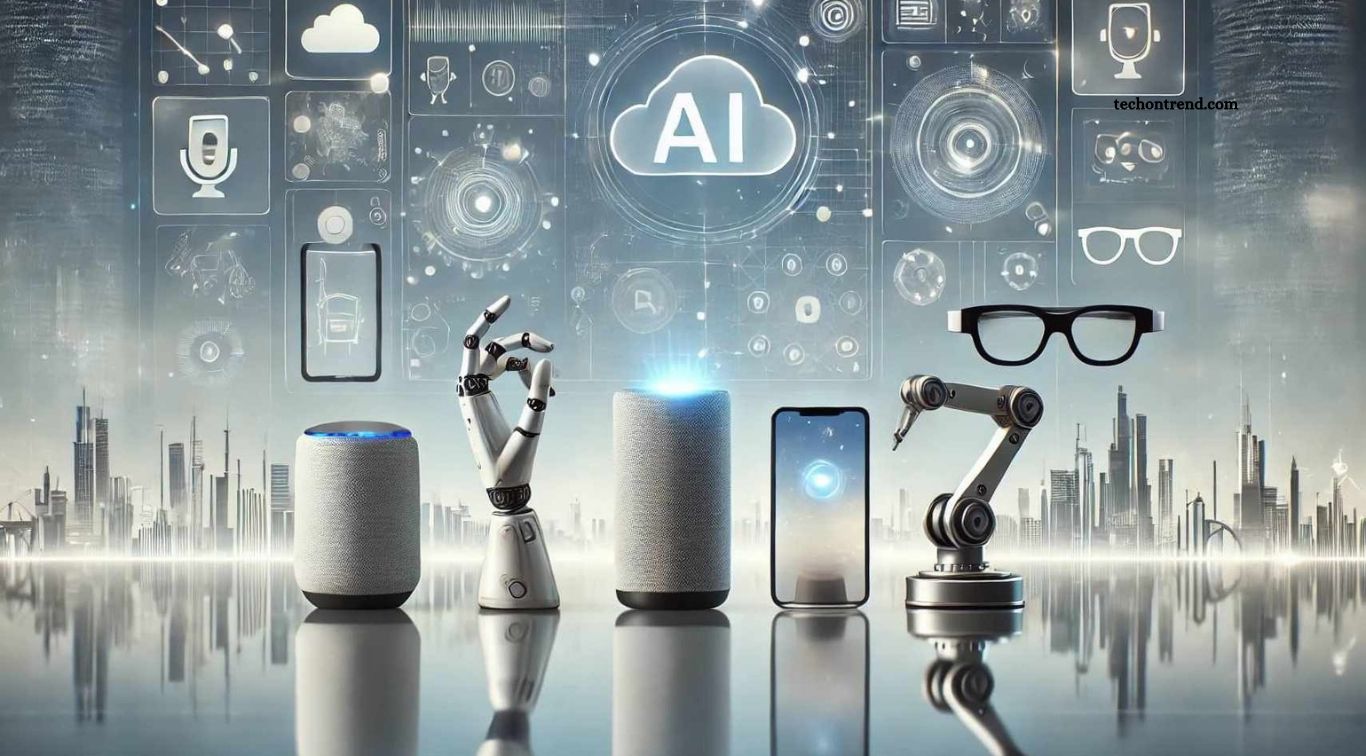
Artificial intelligence (AI) is changing how people use modern gadgets by making everyday devices more intelligent, responsive, and convenient. From smartphones and smartwatches to home assistants and smart televisions, AI helps devices understand user preferences, automate routine tasks, and deliver personalized experiences. These improvements allow gadgets to do more than follow basic commands, making technology increasingly useful for work, entertainment, communication, and daily life.
As AI technology continues to develop, manufacturers are adding intelligent features to devices to improve performance, security, and energy efficiency. Voice recognition, image enhancement, predictive suggestions, and automated home controls are becoming common examples of AI-powered innovation. Understanding how AI makes modern gadgets smarter can help consumers recognize useful features, choose suitable devices, and understand the benefits and limitations of intelligent technology.
Read More: Affordable Tech Devices with Premium Performance
How Artificial Intelligence Makes Gadgets Smarter
Artificial intelligence enables gadgets to analyze information, recognize patterns, and respond to different situations. Unlike traditional devices that follow fixed instructions, AI-powered systems can use machine learning models to improve certain tasks based on data, context, or user feedback. For example, a smartphone may learn which applications a person uses most frequently and suggest relevant actions at appropriate times.
These capabilities depend on a combination of software, sensors, processors, and data. Some AI tasks run directly on a device, while others rely on cloud-based computing services. On-device AI can provide faster responses and support greater privacy for certain tasks, while cloud AI can offer access to more powerful models. The best approach depends on the gadget, the task, available hardware, and the manufacturer’s privacy and security design.
AI-Powered Smartphones
Smartphones are among the most familiar examples of AI-powered gadgets. Modern devices use AI for features such as voice assistants, predictive text, call screening, photo enhancement, translation, and personalized recommendations. AI can help users write messages more efficiently, organize information, identify objects in images, and complete selected tasks through natural language commands.
AI also helps smartphones manage performance and battery usage by analyzing application activity and system conditions. Camera software can recognize scenes, improve exposure, reduce image noise, and combine multiple frames to produce clearer photographs. However, the availability of these features varies by device, operating system, region, and subscription plan. Users should also review app permissions and privacy settings before enabling features that process personal messages, photos, voice recordings, or location data.
Smart Home Devices and AI Automation
AI is making smart home devices more responsive by helping them interpret commands, detect patterns, and automate routine activities. Smart speakers can answer questions, play media, manage reminders, and control compatible lights or appliances. Smart thermostats can use schedules, occupancy information, and temperature patterns to adjust heating or cooling according to household needs.
Security cameras, smart doorbells, and connected sensors can also use AI to identify relevant events, such as movement or the presence of a person, depending on the model. This can reduce unnecessary alerts and help users monitor their homes more efficiently. However, automated decisions are not always accurate, and internet connectivity may affect certain functions. Strong passwords, secure Wi-Fi, software updates, and careful camera placement help make connected homes safer.
AI in Smartwatches and Wearable Gadgets
Smartwatches and fitness trackers use sensors and intelligent software to provide insights about daily activity, exercise, and general wellness. AI-supported algorithms can analyze movement patterns, estimate workout intensity, recognize certain activities, and present personalized fitness suggestions. Some devices also offer sleep summaries, heart-rate notifications, and trend analysis based on collected sensor data.
These features can help users understand their routines and set achievable activity goals. However, wearable measurements are estimates and may be affected by device placement, movement, sensor quality, and individual differences. Health-related alerts should not be treated as a medical diagnosis, and users should seek professional advice when necessary. Reviewing data-sharing settings is also important because wearable gadgets can collect sensitive information about daily habits and physical activity.
AI in Smart Televisions and Entertainment Devices
Smart televisions use AI to improve picture quality, adjust sound, recommend content, and simplify navigation. Image-processing systems can analyze video frames to sharpen details, reduce noise, or adjust contrast, while audio features may optimize dialogue and sound levels for different viewing conditions. Some televisions also use voice recognition to help users search for shows, change settings, or control connected devices.
Streaming platforms and entertainment applications use recommendation algorithms to suggest films, series, music, and other content based on viewing or listening activity. These recommendations can make it easier to discover relevant entertainment, but they may also narrow what users see if suggestions become repetitive. Adjusting recommendation settings, clearing viewing history, and exploring content manually can help maintain a more balanced entertainment experience.
AI in Cameras and Photography Gadgets
AI has transformed digital photography by helping cameras and smartphones recognize scenes, detect faces, track moving subjects, and improve images automatically. Some systems can adjust focus and exposure based on the subject, while computational photography combines multiple images to improve details in challenging lighting conditions. AI editing tools can also remove distractions, enhance colors, sharpen images, and support creative effects.
These features make photography more accessible to beginners while helping experienced users work more efficiently. However, AI-generated edits can sometimes alter important details or create results that do not accurately represent the original scene. Users should review edited images carefully, especially when authenticity matters in journalism, professional documentation, or personal records. Understanding the difference between enhancement and generated content helps people use AI photography tools responsibly.
AI in Laptops and Personal Computers
AI-powered laptops and computers can improve productivity by supporting tasks such as document summarization, transcription, writing assistance, image editing, and meeting notes. Some devices include dedicated neural processing units (NPUs) designed to handle compatible AI workloads efficiently. Depending on the software, these processors can help run selected features locally, reducing reliance on remote servers and potentially improving responsiveness.
AI tools can also assist with background noise reduction during calls, automatic framing for video meetings, and intelligent search across supported files. Their usefulness depends on hardware capability, software compatibility, and whether features operate locally or require an internet connection. Before buying an AI-focused computer, consumers should identify the applications they actually use and compare processor performance, memory, battery life, and software support rather than relying only on AI marketing claims.
AI Voice Assistants and Natural Language Processing
Voice assistants use speech recognition and natural language processing to interpret spoken requests and generate relevant responses. They can help users set alarms, check information, send messages, control compatible smart devices, and manage schedules without needing to type. Newer AI assistants may also handle more conversational requests, summarize information, or complete several connected steps when the necessary integrations are available.
Despite these improvements, voice assistants can misunderstand accents, background speech, unusual phrasing, or requests that lack context. Some tasks also require an internet connection or permission to access personal information. Users should check microphone settings, review stored voice activity where controls are available, and understand which actions an assistant can perform automatically. Clear commands and careful permission management can make voice-controlled gadgets more convenient and secure.
AI in Gaming Gadgets and Accessories
AI is improving gaming experiences through features that optimize graphics, reduce system latency, personalize settings, and support more responsive gameplay. Gaming computers may use AI-assisted upscaling to generate higher-resolution-looking images from lower-resolution frames, while compatible systems can use intelligent frame-generation techniques to increase displayed frame rates. Gaming headsets may also use AI-based noise reduction to improve voice communication.
Some games use AI to control non-player characters, adjust challenges, or create more dynamic interactions. These features can make virtual environments feel more engaging, although their quality depends on the implementation. AI-assisted performance features may also require compatible hardware and can introduce trade-offs in image quality, responsiveness, or power consumption. Players should compare real-world performance tests and supported features before upgrading gaming devices.
AI and Gadget Security
AI can strengthen gadget security by identifying unusual activity, filtering suspicious messages, detecting certain forms of malware, and supporting biometric authentication. Smartphones may use facial recognition or behavioral signals to help verify users, while email and messaging applications can apply intelligent filters to identify likely scams. Security cameras can also distinguish between selected types of movement, helping users focus on relevant events.
However, AI is not a complete security solution. Detection systems can make mistakes, and attackers may use AI to create convincing phishing messages, fake voices, or misleading images. Users should combine intelligent security tools with multifactor authentication, strong unique passwords, regular software updates, and cautious handling of unexpected links. Keeping backups and limiting unnecessary app permissions can provide additional protection if a device or account is compromised.
Benefits of AI-Powered Gadgets
AI-powered gadgets can save time by automating repetitive tasks and making common features easier to access. Personalized recommendations, voice controls, automatic photo enhancement, smart scheduling, and intelligent notifications can help users complete everyday activities with less manual effort. AI can also improve accessibility through speech-to-text tools, live captions, image descriptions, translation, and other features that support people with different needs.
Another advantage is that AI can help devices respond more effectively to changing conditions. Smart energy systems may adjust power use, while compatible computers can allocate resources to supported tasks. Nevertheless, benefits vary by product, and some AI functions require paid subscriptions, internet access, or the sharing of personal data. Consumers should evaluate practical usefulness, reliability, cost, and privacy before choosing a gadget primarily because it includes AI features.
Challenges and Limitations of AI Gadgets
Although AI makes gadgets more capable, it introduces challenges involving privacy, accuracy, cost, and dependence on digital services. Some devices collect information about voice commands, location, behavior, or usage patterns to provide personalized features. If these systems are poorly designed or configured, personal information may be exposed or used in ways users do not expect. Cloud-dependent features may also stop working properly during connectivity problems or service outages.
AI systems can produce incorrect answers, misidentify objects, or make unsuitable recommendations. Advanced features may consume additional battery power, require newer hardware, or become unavailable on older devices. Some manufacturers also restrict features by region or subscription level. Before purchasing an AI gadget, check its software support period, data practices, offline capabilities, and update policy. A useful device should solve a real problem without introducing unnecessary complexity or expense.
The Future of AI in Modern Gadgets
Future gadgets are likely to use AI more naturally across smartphones, computers, wearables, home appliances, vehicles, and entertainment systems. Improvements in on-device processing may allow more tasks to run without sending personal information to cloud services. AI assistants may also become better at understanding context and coordinating actions across compatible devices, helping users manage schedules, home environments, and digital workflows more efficiently.
Advances in sensors, battery efficiency, and specialized processors may make intelligent features available in smaller and more energy-efficient products. At the same time, responsible development will require stronger privacy controls, clear explanations of automated decisions, and better protection against manipulation or misuse. The most successful AI gadgets will not simply include more features; they will provide dependable assistance, respect user preferences, and make everyday technology easier to use.
How to Choose the Right AI-Powered Gadget
Start by identifying what you want the device to do. If you need better photography, compare camera processing and editing tools. If you want improved productivity, review AI writing, transcription, and document features. For a smart home, check compatibility with your existing devices, automation options, and offline controls. Choosing a gadget based on a clear need is more effective than paying extra for features you may rarely use.
Next, review the hardware requirements, subscription costs, privacy settings, and software update policy. Find out whether AI processing happens on the device or in the cloud, and check what information the manufacturer collects. Read independent reviews and test important features when possible. A good AI gadget should be reliable, easy to operate, compatible with your other technology, and supported for a reasonable period.
Frequently Asked Questions
How is AI making modern gadgets smarter?
AI helps gadgets recognize patterns, understand commands, personalize recommendations, automate tasks, and respond to changing conditions.
Which gadgets use artificial intelligence?
Smartphones, smartwatches, laptops, cameras, televisions, voice assistants, gaming devices, and smart home products commonly use AI features.
Can AI gadgets work without the internet?
Some can. On-device AI supports certain offline tasks, while cloud-based features usually require an internet connection.
Are AI-powered gadgets safe to use?
They can be safe when properly designed and configured. Users should update software, manage permissions, and secure their accounts.
Does AI improve smartphone photography?
Yes. AI can enhance images, recognize scenes, track subjects, reduce noise, and support automatic editing.
What are the disadvantages of AI gadgets?
Potential drawbacks include privacy concerns, incorrect results, higher costs, battery consumption, and dependence on online services.
What should I check before buying an AI gadget?
Compare useful features, compatibility, privacy controls, subscription costs, hardware requirements, and the manufacturer’s software support policy.
Conclusion
Artificial intelligence is making modern gadgets smarter by helping them recognize patterns, automate tasks, personalize experiences, and respond more naturally to users. Smartphones, wearables, smart home devices, computers, cameras, televisions, and gaming accessories all demonstrate how AI can improve convenience and functionality. These innovations are making technology more adaptive and accessible while creating new opportunities for productivity, entertainment, and connected living.

1 Comment
Pingback: Must-Have Gadgets for Students and Professionals - TechOnTrend