

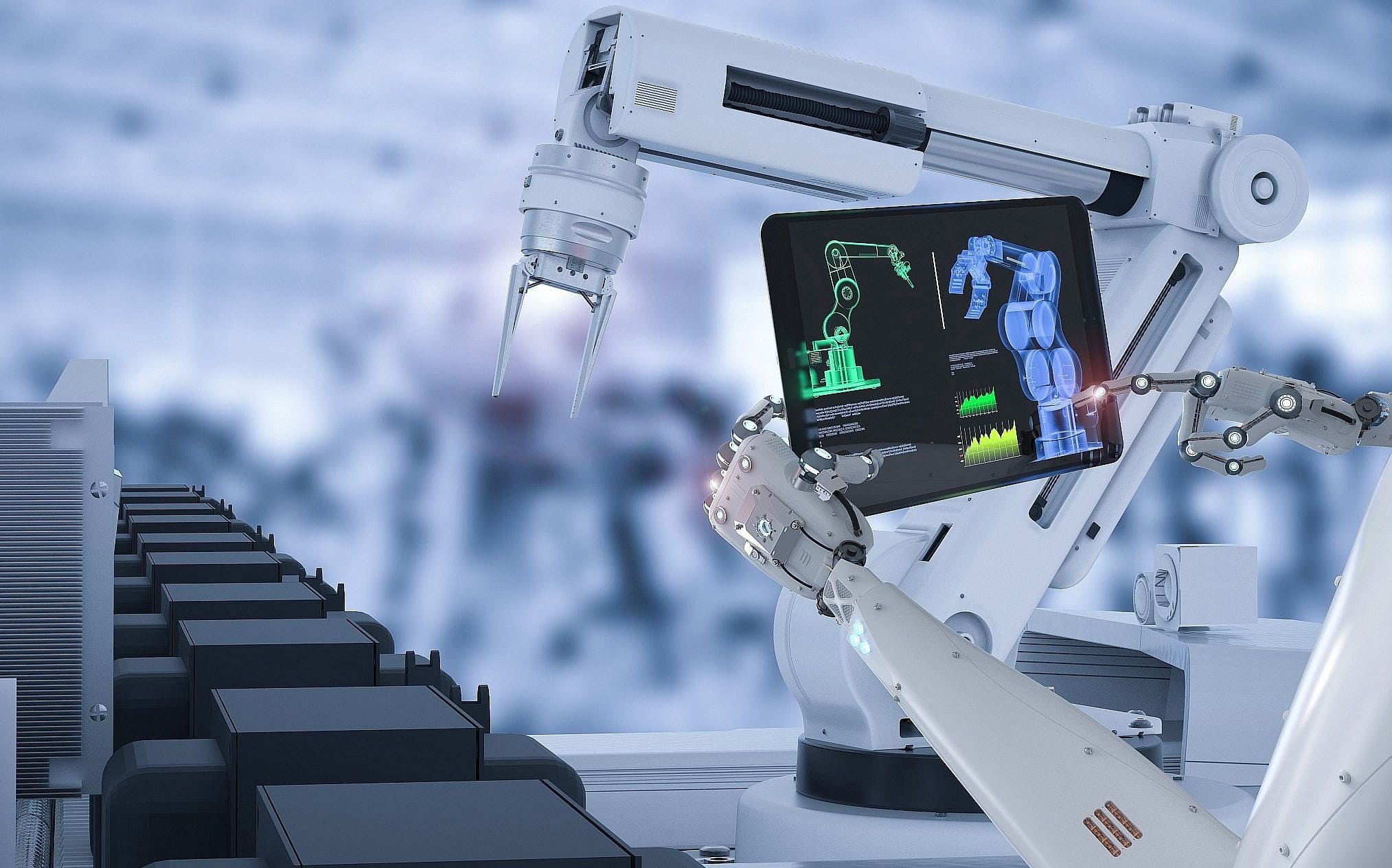
Robots are transforming the manufacturing industry, and the latest £8 million investment by Invest Northern Ireland (INI) highlights how automation is becoming essential for future industrial growth. As manufacturers face increasing global competition, labor shortages, and rising production costs, Robots provide a practical solution that improves efficiency, enhances product quality, and increases output without compromising safety. This significant investment aims to help Northern Ireland manufacturers adopt advanced robotic welding systems capable of delivering consistent and highly accurate results.
The move reflects a broader trend toward digital manufacturing and Industry 4.0 technologies. Modern Robots are no longer limited to performing repetitive tasks. They now integrate artificial intelligence, smart sensors, and automated monitoring systems that improve productivity across the entire production process. By investing in robotic welding technology, INI is helping local manufacturers strengthen their competitive position, attract new business opportunities, and prepare for the future of advanced manufacturing in both domestic and international markets.
Robots Are Reshaping Northern Ireland’s Manufacturing Sector
Northern Ireland has long been recognized for its expertise in engineering, aerospace, heavy equipment, and precision manufacturing. However, manufacturers today operate in an increasingly competitive environment where customers demand faster production, consistent quality, and competitive pricing. The £8 million investment in robotic welding technology represents a strategic effort to modernize production facilities while supporting long-term industrial growth across the region. Businesses adopting advanced automation can respond more effectively to changing market demands while maintaining high manufacturing standards.
The introduction of robotic welding systems also allows companies to optimize production schedules without sacrificing quality. Robots can work continuously with remarkable consistency, helping manufacturers reduce production delays and improve delivery performance. As a result, local businesses become better positioned to compete in international markets while strengthening Northern Ireland’s reputation as a hub for advanced manufacturing innovation. This investment is expected to encourage further technological development across multiple industrial sectors.
Welding Robots Improve Productivity and Manufacturing Quality
Robotic welding systems deliver a level of precision that is difficult to achieve through manual welding alone. Every weld is completed using carefully programmed movements that maintain identical speed, angle, and pressure throughout each production cycle. This consistency significantly reduces defects, minimizes material waste, and improves the overall quality of finished products. Manufacturers also benefit from shorter production times, allowing them to complete larger customer orders more efficiently.
In addition to improving product quality, welding robots help businesses reduce operational costs over time. Fewer production errors mean less rework, lower material consumption, and reduced downtime. These savings become increasingly valuable as manufacturers compete in global markets where efficiency directly affects profitability. Companies investing in robotic automation often experience improved customer satisfaction because products meet strict quality standards while delivery schedules become more reliable.
Key benefits of robotic welding include:
- Higher production efficiency
- Consistent weld quality
- Reduced material waste
- Lower manufacturing costs
- Faster project completion
- Improved product reliability
- Better production planning
- Increased competitiveness
Robots Help Solve Skilled Labor Shortages
Manufacturing companies throughout Europe continue facing shortages of experienced welders and skilled technical workers. Recruiting qualified professionals has become increasingly difficult as many experienced workers retire while fewer young people enter traditional manufacturing careers. Robotic welding technology helps address this challenge by automating repetitive production tasks, allowing existing employees to focus on more technical and specialized responsibilities that require human expertise.
Rather than replacing workers completely, robots create opportunities for workforce development through new technical roles. Employees receive training in robotic programming, system maintenance, quality inspection, and production management. These advanced skills improve career opportunities while helping manufacturers build a highly skilled workforce capable of operating modern automated production facilities. Human expertise remains essential for planning, supervision, troubleshooting, and continuous improvement.
Read More: When Will Marvell Technology Be Worth $1 Trillion?
Robots Improve Workplace Safety and Employee Well-Being
Manufacturing environments often expose workers to high temperatures, intense light, welding fumes, sparks, and heavy equipment. These hazards increase the risk of workplace injuries, particularly during repetitive welding operations that require long hours of concentration. By introducing robotic welding systems, manufacturers can automate many of these dangerous tasks while allowing employees to supervise production from safer workstations. This significantly reduces direct exposure to hazardous conditions and creates a healthier working environment.
Improved workplace safety benefits both employers and employees. Fewer accidents lead to lower compensation costs, reduced downtime, and higher staff confidence. Workers can focus on programming robots, inspecting finished products, and performing maintenance rather than carrying out repetitive manual welding. As automation continues to expand, manufacturers are discovering that investing in workplace safety also contributes to better productivity, improved employee retention, and stronger overall business performance.
Smart Robots Support Industry 4.0 Manufacturing
The latest generation of Robots is designed to work within smart factories where machines, software, and production systems communicate continuously. Robotic welding systems can collect real-time production data, monitor weld quality, and automatically adjust operating parameters when necessary. This level of automation allows manufacturers to improve consistency while reducing production delays caused by equipment failures or human error.
Industry 4.0 technologies also provide manufacturers with valuable operational insights. Data collected from robotic systems helps identify production bottlenecks, predict maintenance requirements, and optimize workflow efficiency. Managers can monitor factory performance through digital dashboards and make informed decisions based on accurate production information. These capabilities enable businesses to increase productivity while maintaining strict quality standards across every stage of manufacturing.
Key Industry 4.0 advantages include:
- Real-time production monitoring
- Predictive equipment maintenance
- Better quality control
- Faster production planning
- Reduced machine downtime
- Improved operational efficiency
- Enhanced factory connectivity
Robots Strengthen Northern Ireland’s Global Competitiveness
Global manufacturers compete on cost, quality, speed, and innovation. Companies that fail to modernize their production facilities often struggle to win international contracts or meet growing customer expectations. The £8 million investment in robotic welding technology allows Northern Ireland manufacturers to improve efficiency while producing high-quality products that satisfy global industry standards. This positions local businesses to compete more successfully in export markets.
Greater competitiveness also attracts new investment into the regional economy. International companies are more likely to partner with manufacturers that operate advanced production facilities equipped with modern automation technologies. As more businesses adopt robotic systems, Northern Ireland strengthens its reputation as a center for advanced engineering and high-value manufacturing. This creates additional opportunities for economic development, skilled employment, and long-term industrial growth.
Robots Contribute to Sustainable Manufacturing
Sustainability has become an important priority for manufacturers seeking to reduce environmental impact while improving operational efficiency. Robotic welding systems help achieve these goals by producing highly accurate welds that minimize material waste and reduce unnecessary energy consumption. Improved precision means fewer defective products, resulting in lower scrap rates and more efficient use of valuable raw materials throughout the manufacturing process.
Many robotic systems are also designed to operate with optimized energy consumption compared to traditional manufacturing methods. Businesses adopting automation often combine robotic technology with environmentally friendly production practices such as recycling metal waste, reducing emissions, and improving resource management. These initiatives support corporate sustainability objectives while helping manufacturers meet increasingly strict environmental regulations and customer expectations for responsible production.
Challenges Businesses Face When Investing in Robots
Although robotic welding offers significant long-term advantages, implementing the technology requires careful planning and investment. Companies must purchase equipment, redesign production layouts, train employees, and integrate robotic systems with existing manufacturing processes. These initial costs can be challenging, especially for small and medium-sized manufacturers. However, government support and strategic funding initiatives like the £8 million investment help reduce financial barriers and encourage businesses to modernize.
Successful implementation also depends on workforce readiness. Employees need training to operate, program, and maintain robotic equipment efficiently. Businesses that invest in both technology and employee development often achieve the greatest return on investment. By combining skilled workers with advanced automation, manufacturers create flexible production environments that can quickly adapt to changing customer demands and future technological advancements.
Future of Robots in Northern Ireland Manufacturing
The £8 million investment marks an important milestone in Northern Ireland’s journey toward advanced manufacturing. As more companies adopt robotic welding systems, the region is expected to experience higher productivity, stronger exports, and greater innovation across multiple industries. Emerging technologies such as artificial intelligence, machine learning, and collaborative robots will further improve manufacturing capabilities in the coming years.
The future also includes smarter factories where robots, machines, and digital systems work together seamlessly. These connected production environments will allow manufacturers to monitor operations in real time, reduce downtime, and improve decision-making through data analytics. Companies that embrace robotic automation today will be better positioned to lead tomorrow’s manufacturing industry while supporting long-term economic growth and creating highly skilled employment opportunities.
FAQs (Frequently Asked Questions)
Why are INI firms investing £8 million in welding robots?
The investment will improve manufacturing efficiency, product quality, and global competitiveness through robotic automation.
Will robots replace human welders?
No. Robots handle repetitive tasks, while skilled workers oversee programming, maintenance, and quality control.
Which industries benefit from welding robots?
Aerospace, automotive, construction, engineering, shipbuilding, and metal fabrication benefit the most.
How do robots improve welding quality?
They deliver precise, consistent welds that reduce errors and improve product reliability.
Are welding robots cost-effective?
Yes. They reduce waste, increase productivity, and lower long-term operating costs.
How do robots improve workplace safety?
They perform hazardous welding tasks, reducing workers’ exposure to heat, sparks, and fumes.
How do robots support Industry 4.0?
They connect with smart factory systems to improve automation, monitoring, and production efficiency.
What is the future of robots in manufacturing?
Robots will become smarter, boosting productivity, quality, and innovation across manufacturing.
Conclusion:
Manufacturing in Northern Ireland is entering a new phase of innovation as INI’s £8 million investment highlights the growing importance of Robots in modern production. Robotic welding systems improve productivity, product quality, and workplace safety while helping manufacturers stay competitive. As automation advances, businesses that invest in Robots and workforce development will be better positioned for long-term growth, stronger economic performance, and future manufacturing success.
