

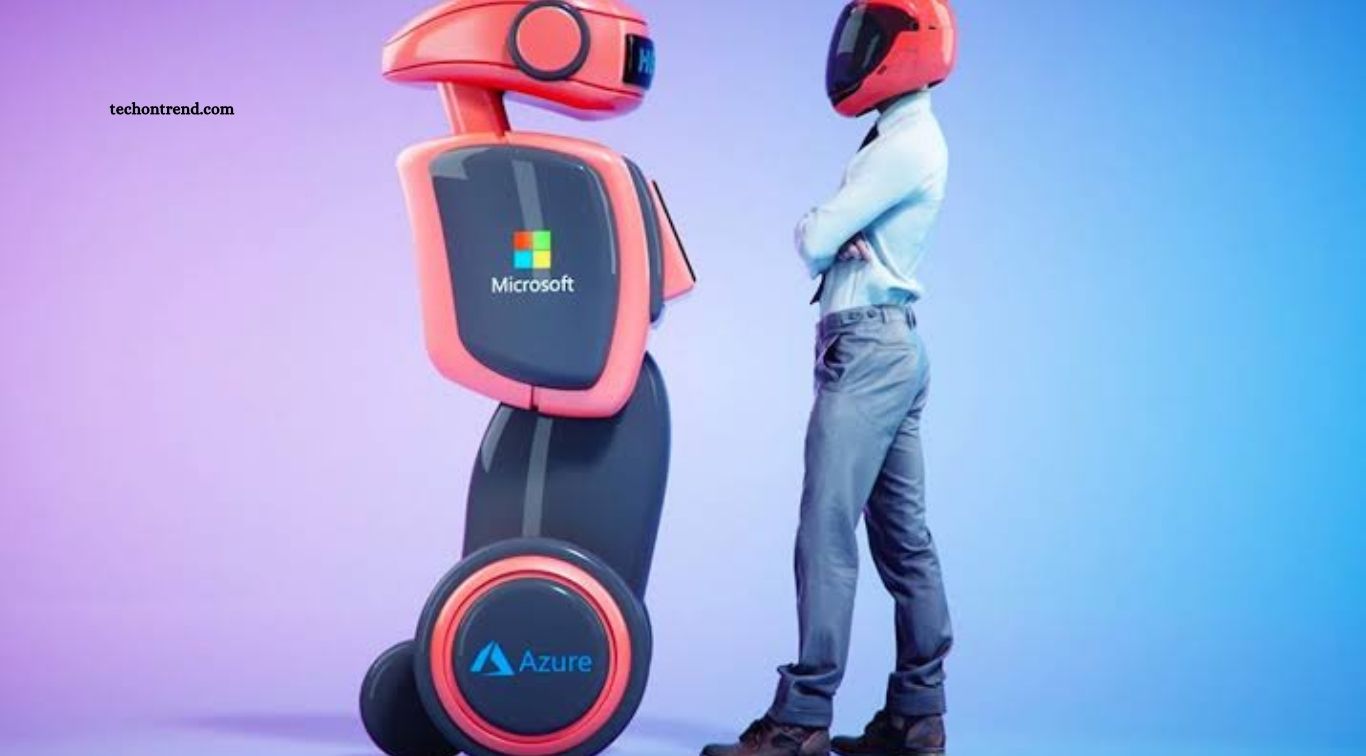
Future gadgets could change how people work, communicate, manage homes, maintain fitness, and complete everyday tasks. Rapid advances in artificial intelligence, robotics, wearable technology, and smart home systems are creating opportunities for devices that offer greater convenience and efficiency. From intelligent personal assistants to compact health monitors, upcoming innovations may help people save time, reduce repetitive work, and make better use of technology.
The next generation of gadgets will focus on practical solutions rather than impressive specifications alone. Devices may become more personalized, energy-efficient, and connected, allowing them to respond to individual needs throughout the day. Although some technologies remain experimental, others are already developing into products that could become common household essentials in the coming years.
Read More: The Most Innovative Consumer Electronics Released Recently
AI-Powered Personal Assistants
Artificial intelligence is expected to play a major role in future personal gadgets. Instead of responding only to individual commands, advanced AI assistants may understand routines, recognize preferences, organize schedules, and help users complete several related tasks. A personal assistant could prepare a daily agenda, summarize important messages, suggest travel routes, and coordinate compatible devices through simple conversations.
These capabilities could make daily life easier for students, professionals, families, and people managing busy schedules. However, useful AI assistants will need accurate information, clear privacy controls, and reliable connections with other applications. Users should also retain control over important decisions, especially when a device handles financial information, personal communications, or sensitive documents.
Smart Glasses With Augmented Reality
Smart glasses could become a practical alternative to checking a smartphone repeatedly. Future models may display navigation directions, translate conversations, identify objects, show appointment reminders, and provide contextual information within the user’s field of view. Improved displays, lightweight frames, and more efficient batteries could make these devices comfortable enough for longer periods of everyday use.
Augmented reality glasses may also support education, travel, and professional training. A visitor could receive directions while exploring an unfamiliar city, while a technician might see instructions when repairing equipment. Their success will depend on affordability, visual comfort, battery life, accessibility, and responsible privacy features. Devices that record or analyze their surroundings will need clear safeguards to protect people nearby.
Wearable Health Monitoring Devices
Future health gadgets may provide more detailed information about everyday wellness through smartwatches, rings, patches, and other compact sensors. Depending on the technology, these devices could monitor activity, sleep patterns, skin temperature, heart rate, and selected physiological signals. Better sensors and software may help users understand long-term patterns instead of relying on occasional measurements.
Personal monitoring devices could also encourage healthier routines by offering reminders to move, rest, hydrate, or maintain consistent sleep schedules. However, wearable measurements are not always accurate enough for medical decisions, and not every device can diagnose a health condition. Users should treat consumer readings as general information unless a device has the appropriate medical authorization and seek professional advice when symptoms or concerning results arise.
Household Robots for Everyday Chores
Household robots could become more useful as improvements in navigation, object recognition, and robotic movement allow machines to handle a wider range of tasks. Today’s robotic cleaners already perform selected household jobs, while future systems may assist with organizing items, carrying lightweight objects, preparing simple ingredients, or helping people complete repetitive chores.
More capable robots could give families additional time for work, relaxation, and personal activities. Nevertheless, household environments are unpredictable, and safely handling fragile objects, pets, children, and different floor layouts remains challenging. Practical home robots will need dependable safety systems, easy maintenance, reasonable prices, and clear limits on what they can do without supervision.
Smart Home Devices That Work Together
Future smart homes may rely on interconnected gadgets that coordinate lighting, temperature, security, entertainment, and energy use. Rather than controlling every device separately, residents could create routines that adjust multiple settings automatically. For example, a home system might switch off unused lights, lower heating or cooling when rooms are empty, and activate selected security features when everyone leaves.
Better coordination could improve convenience and reduce unnecessary energy consumption. However, a connected home is only as dependable as its network, software, and security practices. Buyers should look for compatible devices, regular security updates, transparent data policies, and local controls that continue working when internet access is interrupted. Systems that support common standards may also reduce dependence on one manufacturer.
Foldable and Flexible Electronic Devices
Flexible displays could make future electronics more adaptable to different situations. Foldable phones already demonstrate how a device can offer a compact form while providing a larger screen when opened. Further developments may lead to rollable tablets, expandable laptop displays, and portable screens that fit into smaller bags or workspaces.
These designs could benefit travelers, remote workers, students, and people who need extra screen space without carrying several devices. Yet flexible electronics must overcome challenges involving durability, screen protection, hinge reliability, repair costs, and battery placement. Consumers should judge future products by their long-term usability rather than assuming that a new shape automatically offers a better experience.
Smart Clothing and Connected Accessories
Smart clothing may bring technology closer to the body through fabrics containing sensors, conductive materials, or small electronic components. Depending on the design, future garments could track movement, measure selected body signals, improve athletic feedback, or adjust insulation in response to changing conditions. Connected accessories may also provide discreet notifications without requiring users to check a screen.
These innovations could be useful for athletes, outdoor workers, and people who prefer lightweight technology. Everyday adoption will depend on comfort, washability, durability, battery arrangements, and the accuracy of embedded sensors. Manufacturers must also explain how collected information is stored and shared. Clothing that remains comfortable and easy to maintain will have a stronger chance of becoming part of ordinary routines.
Portable Energy and Advanced Charging Gadgets
Battery technology and portable charging equipment will remain important as people use more connected devices throughout the day. Future power banks may offer faster charging, improved energy density, lighter designs, and better monitoring of battery health. Compact solar chargers and more efficient wireless charging systems could also help travelers and outdoor enthusiasts keep essential electronics powered.
Better energy technology could reduce interruptions and make portable gadgets more convenient. However, charging speed depends on device compatibility, battery condition, temperature, and the power source. Wireless charging can also produce more heat or waste more energy than some wired alternatives. Buyers should compare safety certifications, charging standards, capacity, and real-world performance instead of relying solely on advertised charging speeds.
Translation Earbuds and Smarter Communication Tools
Translation technology could make conversations between people speaking different languages more accessible. Future earbuds may combine speech recognition, AI translation, noise reduction, and voice playback to support more natural exchanges. Improvements in processing speed could reduce delays, while offline language support might help travelers communicate in places with limited connectivity.
These gadgets could benefit tourists, international students, remote teams, and people working with customers from different countries. However, translation systems may struggle with accents, background noise, idioms, and culturally specific expressions. Important legal, medical, or business discussions may still require a qualified human interpreter. Users should also check language availability, subscription costs, and whether conversations are processed or stored online.
Personal Drones and Autonomous Delivery Gadgets
Compact drones and autonomous delivery systems may influence how people receive products, inspect properties, and complete selected outdoor tasks. Future consumer drones could offer improved obstacle avoidance, longer flight times, easier controls, and automated photography. In some locations, delivery drones may help transport small packages or urgent supplies when regulations and infrastructure permit.
These technologies could improve convenience, particularly in remote areas or situations where ground transportation is difficult. Nevertheless, drones raise concerns involving airspace safety, privacy, noise, weather conditions, and operating costs. Local regulations determine where and how they may be used, and autonomous delivery will require reliable navigation and secure handling procedures. Wider adoption will depend on demonstrating clear benefits without creating unnecessary risks.
Compact Projectors and Portable Workspaces
Portable projectors and compact computing accessories could make it easier to create a temporary workspace almost anywhere. Future mini projectors may provide brighter images, improved resolution, automatic alignment, and better battery efficiency. Paired with lightweight keyboards, portable displays, and wireless connectivity, they could help users present information, watch entertainment, or work while traveling.
These devices may be especially useful for remote workers, teachers, students, and people who frequently give presentations. However, a projector still needs suitable lighting and a usable surface, while portable accessories must connect reliably with the user’s main device. Buyers should compare brightness, resolution, speaker quality, connectivity, battery performance, and setup time before choosing a model.
How Future Gadgets Could Improve Everyday Life
The greatest benefit of future gadgets may come from reducing friction in everyday activities. Smart assistants could simplify planning, health trackers could help users recognize personal patterns, and connected home systems could automate repetitive tasks. When devices work together effectively, people may spend less time switching between applications and more time focusing on work, family, learning, and recreation.
Technology should still support human choices rather than create unnecessary complexity. Too many notifications, expensive subscriptions, incompatible systems, and constant upgrades can make life more difficult instead of easier. Consumers should prioritize devices that solve real problems, protect personal information, receive reliable software support, and offer meaningful benefits over time.
What to Consider Before Buying Future Gadgets
New technology can be exciting, but early products may include limitations that become clearer after independent testing. Before purchasing a gadget, compare its practical features, price, battery life, durability, compatibility, warranty, and software-update policy. Consider whether the device solves a regular problem or simply adds another screen, application, or subscription to manage.
Privacy and repairability also deserve attention. Gadgets that collect location, voice, health, or household information should offer understandable privacy settings and strong security protections. Replaceable components and accessible repair services may reduce long-term costs and electronic waste. Waiting for reliable reviews can be particularly sensible when a new product is expensive or depends on an unfamiliar technology.
Frequently Asked Questions
What future gadgets could transform daily life?
AI assistants, smart glasses, household robots, wearable health devices, and connected home systems could make everyday tasks easier.
Will AI gadgets become more common?
AI features are likely to spread across phones, wearables, home devices, and computers as the technology becomes more practical and affordable.
Could household robots replace everyday chores?
Robots may handle selected repetitive tasks, but complex household work will likely continue requiring human supervision and assistance.
Are smart glasses worth considering?
They may be useful for navigation, translation, and hands-free information, provided they offer good comfort, privacy, and battery life.
How can I choose useful future gadgets?
Focus on practical benefits, compatibility, reliability, privacy, repair options, and total ownership costs rather than novelty alone.
Will future gadgets protect personal information?
Some will offer stronger security and privacy controls, but users should review permissions, data policies, updates, and device settings carefully.
Conclusion
Future gadgets could transform daily life by making technology more intelligent, portable, connected, and responsive to individual needs. AI assistants, augmented reality glasses, health-monitoring wearables, household robots, smart home systems, and advanced charging devices may simplify activities that currently require time and attention. However, successful innovation depends on reliability, affordability, safety, privacy, and real-world usefulness. By choosing technology carefully and focusing on practical benefits, consumers can take advantage of new developments without adding unnecessary complexity to their lives.
