

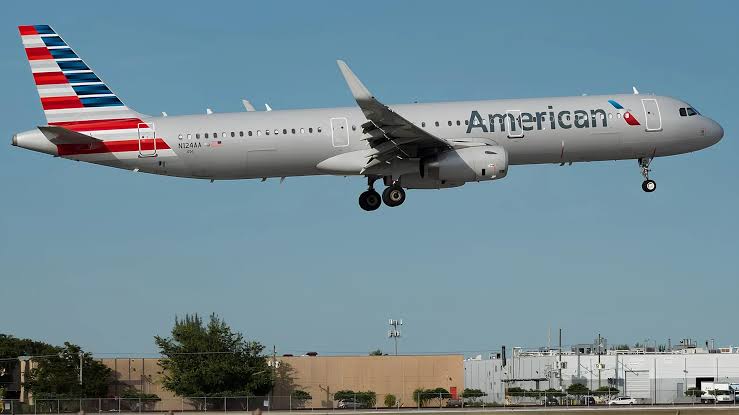
A serious runway safety incident at Miami International Airport forced an American Airlines aircraft to abort its takeoff after a business jet entered the same active runway without authorization. The situation unfolded during routine departure operations when the passenger aircraft had already begun its takeoff roll. Air traffic controllers quickly identified the conflict and instructed immediate action, prompting the flight crew to initiate a high-speed rejected takeoff. The aircraft came to a safe stop on the runway, and no injuries were reported among passengers or crew. While the situation was resolved without physical damage or casualties, it has raised renewed concerns about runway incursions, airport coordination, and the challenges of managing mixed air traffic at one of the busiest aviation hubs in the United States. Aviation authorities are expected to investigate the incident in detail to determine how the unauthorized runway entry occurred and whether procedural errors contributed to the event.
What Happened at Miami International Airport?
The incident took place at Miami International Airport (MIA), a major global aviation hub that handles thousands of flights daily, including commercial passenger jets, cargo aircraft, and private business aviation. According to preliminary aviation reports, an American Airlines passenger aircraft had been cleared for takeoff on a designated runway when a business jet unexpectedly entered the same runway without proper authorization. This created an immediate and serious safety conflict, as both aircraft were now occupying or entering the same runway during a critical phase of flight operations.
At the moment of the incursion, the American Airlines aircraft was accelerating for takeoff, a phase where speed increases rapidly and stopping distance becomes increasingly limited. Air traffic controllers quickly detected the runway conflict and issued urgent instructions to halt operations. The American Airlines crew responded instantly by initiating a rejected takeoff procedure, bringing the aircraft to a controlled stop before it could reach a speed where continued takeoff would be unsafe.
Sequence of Events Leading to the Runway Incursion
Early information suggests that the sequence of events began during normal ground taxi operations. The business jet, operated as a private or corporate aircraft, was moving on the airport’s taxiway system when it entered the active runway used by departing traffic. While the exact cause remains under investigation, runway incursions of this type often occur due to miscommunication, pilot navigation errors, or misinterpretation of air traffic control instructions.
In complex airport environments like Miami, taxi routes can involve multiple intersections, parallel runways, and crossing points that require strict adherence to instructions. A single deviation or misunderstanding can result in an aircraft entering an active runway without clearance. In this case, that unauthorized entry placed the business jet directly in the path of an accelerating commercial aircraft, creating a high-risk scenario that required immediate intervention.
Emergency Action Taken by Air Traffic Control
Air traffic controllers at Miami International Airport played a central role in preventing a potentially catastrophic outcome. As soon as the conflict was detected, controllers issued immediate stop instructions to both aircraft. They also coordinated with ground control teams to ensure no additional aircraft were cleared onto the affected runway and that all movement in the vicinity was halted.
Modern air traffic control systems are designed to provide multiple layers of monitoring, including radar tracking, ground movement surveillance, and real-time communication with pilots. These systems allow controllers to detect potential conflicts even before they fully develop. In this case, the rapid identification of the runway incursion allowed controllers to act quickly enough to prevent the situation from escalating into a collision.
American Airlines Crew Executes High-Speed Rejected Takeoff
The flight crew of the American Airlines aircraft responded to the emergency instruction by initiating a high-speed rejected takeoff, one of the most critical and demanding procedures in commercial aviation. A rejected takeoff, or RTO, involves aborting the takeoff roll after acceleration has begun but before the aircraft becomes airborne.
Pilots are trained extensively in simulators to handle such situations, as the decision must often be made within seconds. In this case, the crew applied maximum braking force, activated thrust reversers, and maintained directional control to bring the aircraft to a safe stop on the runway. The procedure is designed to ensure that even at high speeds, the aircraft can be safely halted if a hazard is detected on the runway.
Passengers onboard reported a sudden and intense deceleration as the aircraft slowed rapidly. While such experiences can be unsettling, aviation experts emphasize that rejected takeoffs are a standard and necessary safety measure that has prevented numerous potential accidents in commercial aviation history.
What Is a Runway Incursion and Why It Matters
A runway incursion is defined as any unauthorized presence of an aircraft, vehicle, or person on an active runway. These incidents are considered among the most serious safety risks in aviation because runways are high-speed operational zones where aircraft have very limited ability to stop or maneuver.
Even a brief unauthorized entry can lead to a dangerous situation, particularly during takeoff or landing phases when aircraft are operating at high speeds and close intervals. Aviation authorities classify runway incursions based on severity, ranging from minor procedural deviations to serious incidents that could result in collisions.
In this Miami case, the presence of a business jet on an active runway during a commercial takeoff created a high-severity risk scenario that required immediate corrective action.
Passenger Experience During the Incident
Passengers aboard the American Airlines flight experienced a sudden and unexpected braking event as the aircraft rapidly decelerated on the runway. During a rejected takeoff, passengers often feel a strong forward jolt followed by sustained deceleration and increased engine noise as reverse thrust is deployed.
Although such moments can cause anxiety or confusion, flight crews are trained to manage passenger safety and communication after the aircraft comes to a complete stop. In most cases, passengers are informed that a safety procedure was executed and reassured that the situation is under control. In this incident, the absence of injuries and the controlled nature of the stop indicate that standard emergency protocols worked effectively.
Possible Causes of the Business Jet Runway Entry
While the investigation is ongoing, aviation experts typically consider several possible factors when analyzing runway incursions involving private or business jets. One potential cause is miscommunication between pilots and air traffic control, where instructions may be misunderstood or incorrectly acknowledged. Another possibility is taxiway navigation error, where a pilot may mistakenly turn onto the wrong runway due to airport complexity or signage confusion.
Human factors also play a significant role in runway safety incidents. Fatigue, situational awareness limitations, and unfamiliarity with airport layouts can all contribute to errors during ground movement. In some cases, technical issues such as navigation system discrepancies may also be involved. However, no official conclusion has been released regarding the specific cause of this incident, and investigators will need to analyze multiple data sources before reaching a determination.
Role of Miami International Airport in Managing Complex Air Traffic
Miami International Airport is one of the busiest aviation hubs in the United States and serves as a major gateway between North America, Latin America, and Europe. The airport handles a high volume of passenger flights, cargo operations, and private aviation traffic, all operating within a complex runway and taxiway system.
This operational density increases the importance of precise coordination between pilots and air traffic controllers. With multiple runways and intersecting taxiways, maintaining safe separation requires constant communication and strict adherence to procedures. Even small deviations can lead to runway incursions, making airports like Miami particularly sensitive to ground movement errors.
Investigation by Aviation Authorities
Following the incident, aviation authorities such as the Federal Aviation Administration are expected to conduct a comprehensive investigation. This process typically involves reviewing radar data, cockpit voice recordings, air traffic control communications, and ground movement logs. Investigators will also examine taxi instructions issued to the business jet and assess whether any procedural breakdown occurred.
The goal of the investigation is not only to determine the cause of the incident but also to identify potential safety improvements. If necessary, recommendations may include changes to taxi procedures, enhanced pilot training, or updates to airport signage and ground control systems. In some cases, additional technological safeguards may also be considered to reduce the likelihood of similar events in the future.
Aviation Safety Systems That Prevent Collisions
Modern airports use a range of advanced technologies to prevent runway incursions and improve situational awareness. These include surface movement radar systems that track aircraft and vehicles on the ground, runway status lights that indicate when a runway is unsafe to enter, and advanced ground control software that helps manage traffic flow.
Many airports also use GPS-based taxi guidance systems to assist pilots in navigating complex runway layouts. These systems are designed to reduce reliance on visual cues alone and provide real-time guidance during ground movement. Despite these technologies, human oversight remains essential, as no system can fully eliminate the risk of miscommunication or human error.
Aviation Expert Analysis of the Incident
Aviation safety experts emphasize that runway incursions remain one of the most closely monitored risks in global aviation. While rare relative to the total number of flights, these incidents can have serious consequences if not managed quickly. Experts note that the successful aborted takeoff in Miami demonstrates the effectiveness of existing safety systems, including pilot training, air traffic control coordination, and onboard decision-making protocols.
Experts also highlight that private and business aviation operations require additional attention due to differences in pilot experience levels, aircraft types, and operational procedures compared to commercial airlines. Ensuring consistent communication standards across all types of aviation traffic is considered critical to reducing runway safety risks.
Lessons Learned from the Miami Runway Incident
This incident reinforces several important lessons for aviation safety. It highlights the importance of clear communication between pilots and air traffic control, especially in high-traffic airports with complex runway systems. It also demonstrates how quickly runway situations can escalate and the need for immediate response capabilities.
Another key takeaway is the effectiveness of rejected takeoff procedures in preventing accidents. Although the situation was potentially dangerous, the rapid response by the flight crew ensured that the aircraft remained safe. The incident also underscores the importance of continuous investment in airport safety technologies and pilot training programs to reduce the likelihood of similar events.
FAQs Frequently Asked Questions
What caused the American Airlines takeoff to be aborted?
The takeoff was aborted after a business jet entered the same runway without clearance, creating a collision risk.
Was anyone injured in the incident?
No injuries were reported among passengers or crew, and both aircraft were safely stopped.
What is a rejected takeoff?
A rejected takeoff is an emergency procedure where pilots stop the aircraft during the takeoff roll due to safety concerns.
Who is responsible for investigating runway incursions?
The Federal Aviation Administration (FAA) typically investigates runway incursions in the United States.
How dangerous are runway incursions?
Runway incursions are considered high-risk events because they can lead to serious collisions if not quickly resolved.
What happened to the aircraft after the incident?
The aircraft came to a controlled stop on the runway and was later inspected before operations resumed.
Why do runway incursions happen?
They usually occur due to miscommunication, pilot error, or taxiway navigation mistakes in complex airport environments.
Conclusion:
The American Airlines aborted takeoff at Miami International Airport highlights the critical importance of runway safety and rapid response in aviation operations. A business jet entering an active runway created a potentially dangerous situation, but swift action by air traffic controllers and the flight crew prevented any accident. While investigations will determine the exact cause of the incident, the event underscores the complexity of managing modern airport operations and the need for strict adherence to safety protocols. It also reinforces how essential coordination, training, and technology are in ensuring that even unexpected runway conflicts can be resolved safely without harm to passengers or crew.
