

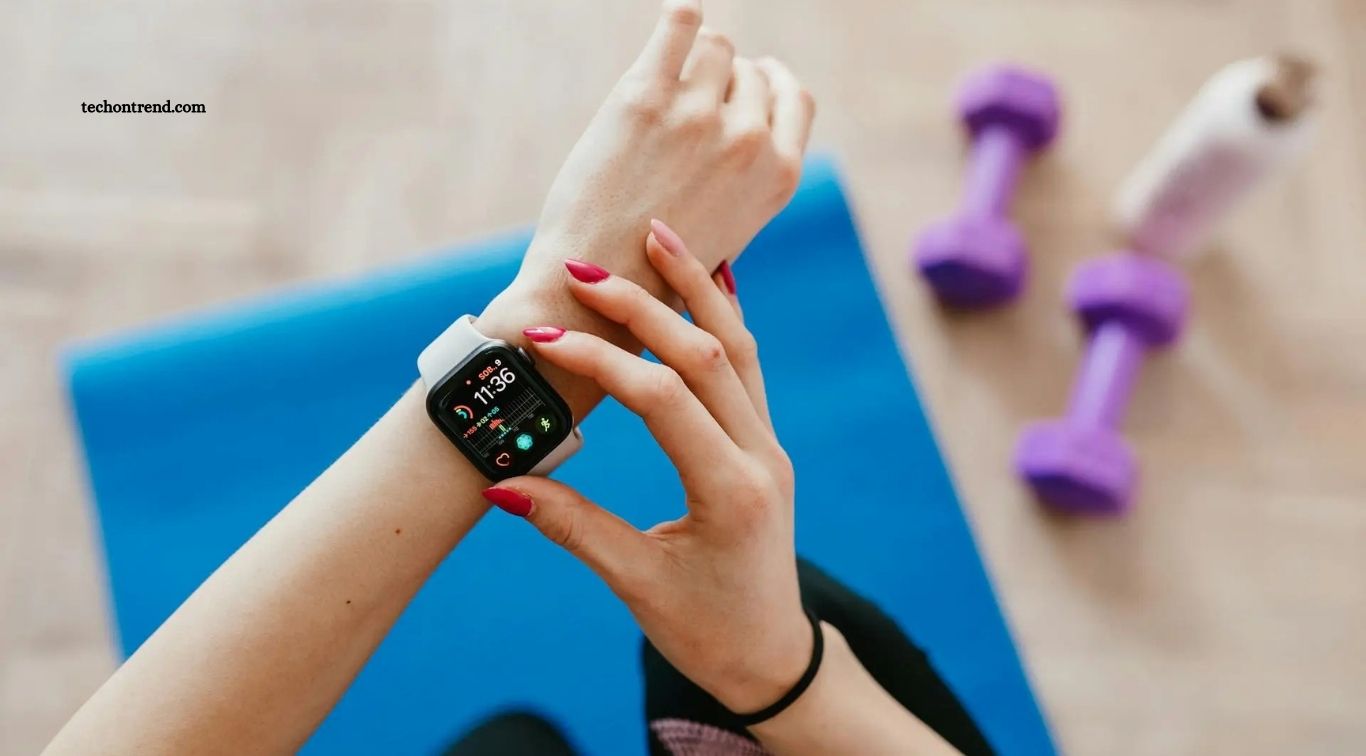
Wearable technology has evolved far beyond step counters and calorie tracking. Modern wearable devices can support communication, improve accessibility, monitor everyday activities, provide navigation assistance, and help users interact with digital services more conveniently. From smartwatches and smart rings to augmented reality glasses and wearable health monitors, these technologies are changing how people connect with the world around them.
In 2026, wearable innovation increasingly focuses on personalized experiences, intelligent software, discreet designs, and more useful everyday features. Instead of serving only as fitness companions, wearables are becoming extensions of smartphones and other connected devices. Understanding these developments can help consumers choose wearable technology that offers practical value, protects personal information, and fits naturally into daily routines.
Read More: Compact Gadgets That Boost Everyday Productivity
Smartwatches for Everyday Convenience
Smartwatches remain among the most popular wearable devices because they combine communication, notifications, navigation, and productivity features in a compact design. Users can check messages, answer calls, manage calendars, control music, and receive reminders without constantly reaching for their smartphones. Depending on the model, some watches also support contactless payments, voice assistants, and independent cellular connectivity.
These features can make everyday activities easier, particularly for people who travel frequently or manage busy schedules. A smartwatch can display appointment alerts, provide directions while walking, and help users stay connected during meetings or errands. Before buying one, check smartphone compatibility, battery life, available applications, and subscription requirements. The best option is one that simplifies daily tasks instead of creating more distractions.
Smart Rings for Discreet Digital Monitoring
Smart rings offer an alternative to watches for people who prefer smaller and less noticeable wearable devices. Many models collect information related to sleep patterns, activity, heart rate, and other selected measurements. Their compact designs make them convenient for users who do not want a screen on their wrist but still want access to personal insights through a smartphone application.
Beyond fitness, smart rings can support routines involving sleep awareness, recovery trends, and daily habit tracking. Some products also explore contactless controls or digital authentication, although these capabilities vary by model. Buyers should consider sizing, comfort, battery life, compatibility, and data privacy. Since ring-based measurements have limitations, users should treat them as general indicators rather than definitive medical assessments.
Smart Glasses for Hands-Free Information
Smart glasses are bringing digital features into a familiar everyday accessory. Depending on the design, they may include cameras, microphones, speakers, voice assistants, or displays that provide information within the user’s field of view. These functions can support hands-free calls, audio playback, photography, navigation, and quick access to digital assistance while users remain engaged with their surroundings.
Some advanced glasses also explore augmented reality, which places digital information over a view of the physical world. Potential applications include workplace instructions, remote technical support, navigation, and interactive learning. However, battery life, comfort, visual quality, price, and social acceptance remain important considerations. Users should also respect other people’s privacy and understand when a device is recording or capturing information.
Wearable Technology for Accessibility
Accessibility is one of the most valuable areas of wearable innovation. Devices can provide audio notifications, vibration alerts, live captions, navigation assistance, or other features that help people interact with their surroundings. For users with hearing or visual impairments, selected wearables may offer additional ways to receive information without depending entirely on a smartphone screen.
Wearable accessibility tools can also support communication and independence in workplaces, public spaces, and educational environments. Some smart glasses and connected devices can provide spoken descriptions or display text from compatible applications. The usefulness of each feature depends on the user’s needs, the device’s capabilities, and the surrounding environment. Consumers should evaluate accessibility options carefully and, where possible, test a device before purchasing it.
Wearable Health Monitoring Beyond Exercise
Wearable health technology is expanding beyond workout statistics to provide information about sleep, heart rate, skin temperature trends, and other selected body measurements. Depending on the product, these readings can help users notice patterns over time and prepare more informed questions for healthcare professionals. Certain specialized devices also offer features designed for specific monitoring needs.
These technologies should not be confused with complete medical evaluations. Consumer wearables can produce inaccurate readings, and a measurement may be affected by device fit, movement, skin characteristics, or other factors. Users should check whether a feature has appropriate regulatory clearance for its intended medical purpose. Wearables can complement healthy routines and professional care, but they should not replace medical advice or delay urgent treatment.
AI-Powered Wearables and Personal Assistance
Artificial intelligence is creating new possibilities for wearable devices. AI-powered features may summarize notifications, interpret voice commands, translate conversations, answer questions, or help users organize information while on the move. Some systems connect to cloud-based AI services, while others process selected tasks directly on the device to reduce dependence on an internet connection.
These capabilities can make wearables more useful for communication and everyday decision-making. For example, a compatible device might help a traveler understand a conversation in another language or allow a professional to access information without typing on a phone. However, AI responses may be inaccurate, and microphones or cameras can raise privacy concerns. Users should review recording controls, data retention policies, and the permissions required by connected applications.
Wearables for Work and Productivity
Wearable devices are becoming useful tools in offices, factories, warehouses, and other professional environments. Smart glasses can provide hands-free instructions, while connected headsets can support communication between field workers and remote specialists. Wearable sensors may also help organizations monitor equipment interactions or improve workplace processes when used appropriately.
These applications can reduce the need to repeatedly consult manuals, screens, or separate devices. A technician, for example, may receive instructions while keeping both hands available for a task. However, workplace wearables should be introduced with clear policies about employee privacy, data collection, safety, and performance monitoring. Businesses should evaluate whether a device genuinely improves productivity and ensure workers understand how the collected information will be used.
Wearable Payments and Digital Access
Some wearable devices allow users to make contactless payments or access compatible buildings, transport systems, and digital services. Smartwatches and selected rings can store or connect to digital credentials, making it possible to complete certain transactions without carrying a physical wallet. These features are particularly convenient during travel, exercise, and everyday shopping.
Security should remain a priority when choosing a wearable for payments or access. Users should understand how authentication works, how to disable a lost device, and which protections are provided by the payment service. Availability also depends on the device, bank, country, and supported payment network. Before relying on a wearable as a replacement for cards or keys, check compatibility and keep an alternative available.
Privacy and Security Challenges in Wearable Technology
Wearables can collect sensitive information through sensors, microphones, cameras, location services, and connected applications. Depending on the product, this information may reveal routines, movement patterns, personal conversations, or details about health and sleep. Data may be stored on the device, transferred to a smartphone, or processed by a cloud service.
Consumers should review privacy settings before using a new wearable. Choose strong account authentication, install software updates, restrict unnecessary permissions, and understand whether information is shared with third parties. It is also worth checking how long data is retained and whether users can export or delete it. Convenient features are valuable, but they should not require giving a device unrestricted access to personal information.
How to Choose the Right Wearable Device
The right wearable depends on the problems a person wants to solve. Someone who needs quick access to calls and reminders may prefer a smartwatch, while a user interested in discreet monitoring might choose a smart ring. People who need hands-free audio, photography, or visual assistance may find smart glasses more suitable. Identifying the primary purpose makes it easier to compare products objectively.
Other factors include comfort, battery life, durability, compatibility, accessibility, software support, and total cost. Some devices require subscriptions to unlock detailed insights or advanced features, so buyers should calculate the long-term expense before making a decision. Independent reviews and clear privacy policies can also help distinguish useful products from devices that offer impressive claims but limited everyday benefits.
Frequently Asked Questions
What is wearable technology?
Wearable technology includes electronic devices worn on the body, such as smartwatches, smart rings, smart glasses, and specialized health monitors.
Can wearable devices do more than track fitness?
Yes. They can support communication, navigation, accessibility, digital payments, productivity, and selected health-monitoring functions.
Are smart rings better than smartwatches?
Neither is universally better. Rings offer discreet designs, while smartwatches usually provide screens, notifications, and a broader range of interactive features.
Can smart glasses help with everyday tasks?
Yes. Depending on the model, they can support calls, audio, photography, navigation, translation, and certain augmented reality applications.
Are wearable health readings always accurate?
No. Results can vary by device and circumstances. Consumer readings should not replace professional medical assessment.
How can I protect my wearable device’s privacy?
Review permissions, install updates, secure your account, limit unnecessary data sharing, and read the manufacturer’s privacy policy.
Conclusion
Wearable technology is moving beyond fitness tracking to support communication, accessibility, healthcare awareness, productivity, payments, and hands-free digital assistance. Smartwatches, smart rings, smart glasses, and specialized monitoring devices each offer different benefits, but their usefulness depends on individual needs and real-world performance. Privacy, accuracy, compatibility, and long-term costs deserve careful consideration before purchasing a device.
