

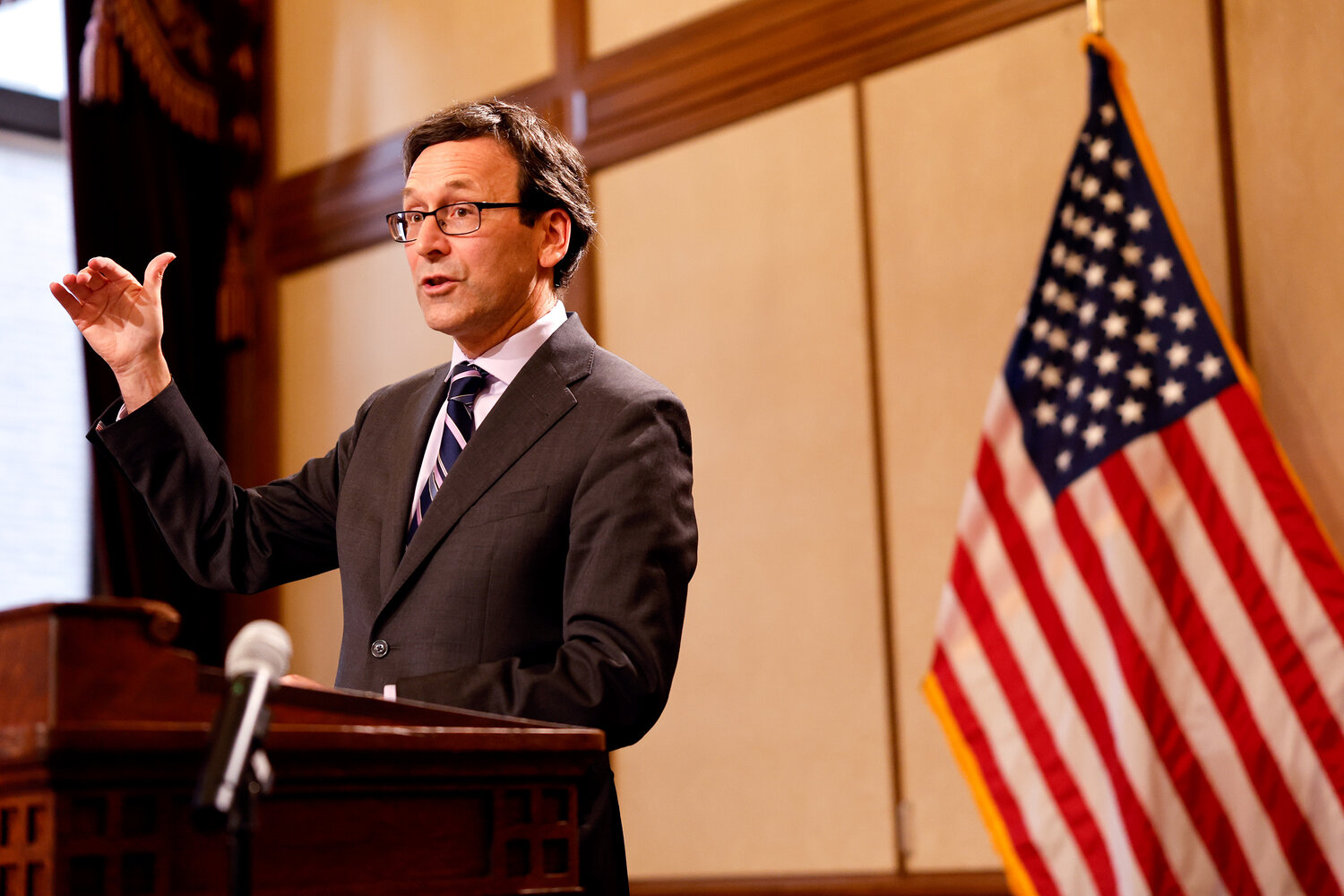
Washington State’s Economy has been experiencing noticeable shifts in recent months, with signs of slower growth across several key sectors. Rising business costs, global uncertainty, and changes in consumer spending patterns have contributed to what many analysts describe as a “cooling economy.” In response to these conditions, Governor Ferguson has increasingly focused on collaboration with state business leaders to better understand the challenges facing employers and identify practical solutions that can stabilize economic performance.
The engagement between government and private industry is becoming a central theme in Washington’s economic strategy. By bringing together leaders from technology, manufacturing, retail, and small business sectors, the state aims to create a more coordinated approach to addressing economic slowdown risks. Discussions are centered around job creation, investment confidence, workforce development, and long-term competitiveness. As Washington navigates this period of economic moderation, the role of public-private cooperation is emerging as a key factor in shaping the state’s future growth trajectory.
Washington’s Current Economic Landscape
Washington State has long been recognized as one of the most powerful and influential economic hubs in the United States, driven by major industries such as technology, aerospace, international trade, manufacturing, and clean energy. The state has consistently benefited from strong innovation, global business presence, and a highly skilled workforce, making it a key contributor to the national economy. However, recent economic indicators suggest that this strong growth trajectory is beginning to moderate. While the economy is still expanding, the pace has slowed compared to the rapid development seen in previous years, signaling a cooling phase that is being closely monitored by policymakers and business leaders.
This slowdown is becoming increasingly visible across multiple sectors of the economy. Hiring activity has become more cautious, business expansion plans are being delayed or reconsidered, and consumer spending patterns are shifting toward essential goods and services. Industries such as technology startups, real estate development, construction, and retail are particularly feeling the impact of this transition. Rising interest rates, inflationary pressures, and increased operational costs are forcing businesses to reassess investment decisions. At the same time, households are adjusting their financial priorities due to higher living expenses, which is reducing discretionary spending and contributing to a more cautious overall economic environment across Washington State.
Why the Economy Is Showing Signs of Cooling
The slowdown in Washington’s economy is the result of multiple interconnected domestic and global factors rather than a single cause. One of the most significant drivers is the broader United States monetary policy environment, where interest rates have been raised to control inflation. While these measures are effective in stabilizing prices, they also increase the cost of borrowing for businesses and consumers. As a result, companies are becoming more conservative in their expansion strategies, delaying large investments, and focusing on cost control rather than aggressive growth.
In addition to domestic financial conditions, global economic uncertainty is also playing a major role in Washington’s economic moderation. The state has a strong dependence on international trade and exports, especially in technology and manufacturing sectors. However, supply chain disruptions, fluctuating global demand, and geopolitical tensions have created instability in international markets. This has led many businesses to adopt a cautious “wait-and-see” approach, slowing down hiring, investment, and production expansion, which ultimately contributes to the overall cooling of the state economy.
Governor Ferguson’s Economic Strategy Shift
In response to the evolving economic conditions, Governor Ferguson has shifted toward a more collaborative and engagement-driven economic strategy. Rather than relying solely on traditional policy mechanisms, the administration is actively engaging with business leaders across Washington to gain real-time insights into the challenges facing different industries. This approach is designed to ensure that economic decisions are informed by on-the-ground realities rather than delayed economic data alone.
Business leaders from key sectors such as technology, manufacturing, logistics, and retail are participating in discussions focused on labor shortages, regulatory challenges, investment barriers, and market uncertainty. These conversations are helping the state government identify priority areas that require immediate attention. By strengthening communication between the public and private sectors, Washington aims to create a more adaptive and resilient economic framework capable of responding effectively to both short-term pressures and long-term structural changes.
Role of Business Leaders in Economic Recovery
Business leaders play a central role in shaping Washington’s economic direction because their decisions directly influence employment levels, investment activity, and overall economic momentum. During periods of economic slowdown, their feedback becomes especially important in helping policymakers understand real-world challenges and adjust strategies accordingly. Their insights help bridge the gap between government policy and business realities, ensuring more practical and effective decision-making.
Recent discussions with industry leaders have highlighted several pressing concerns, including workforce shortages, rising labor costs, supply chain inefficiencies, and increasing regulatory complexity. Many companies are also focused on maintaining competitiveness in an uncertain economic environment while managing profitability pressures. Through ongoing collaboration, policymakers aim to create a more stable business environment that encourages investment, supports job creation, and strengthens long-term economic confidence across the state.
Technology Sector’s Influence on Washington Economy
Washington’s technology sector remains one of the most powerful drivers of economic growth in the state, contributing significantly to employment, innovation, and tax revenue. The presence of global technology giants and a thriving startup ecosystem has historically positioned Washington as a leader in digital innovation and advanced industries. However, even this high-performing sector has begun to experience a slowdown in growth, with more cautious hiring practices and reduced expansion activity becoming increasingly common.
Despite these short-term challenges, the long-term outlook for the technology sector remains strong. Continued advancements in artificial intelligence, cloud computing, cybersecurity, and digital infrastructure are expected to drive future demand. Collaboration between technology companies and government institutions is becoming more important than ever, particularly in shaping policies that encourage innovation while ensuring workforce readiness for emerging technological demands.
Impact on Small and Medium Businesses
Small and medium-sized businesses (SMBs) are among the most vulnerable groups affected by the current economic cooling. Unlike large corporations, SMBs often operate with limited financial buffers, making them more sensitive to rising costs, reduced consumer demand, and tighter credit conditions. Many small businesses across Washington are reporting slower sales growth and increased pressure on profit margins.
Despite these challenges, SMBs remain a crucial part of Washington’s economic structure, contributing significantly to job creation and local community development. Their success is closely tied to overall economic stability. As a result, policymakers are increasingly focusing on targeted support measures and inclusive policy discussions that ensure small businesses are not left behind during periods of economic adjustment.
Employment Trends in Washington State
Washington’s labor market continues to show relative stability, but the pace of job creation has slowed compared to previous years of strong economic expansion. While sectors such as healthcare, logistics, and professional services continue to experience steady demand for workers, industries like technology and construction have adopted more cautious hiring strategies due to economic uncertainty.
At the same time, workforce development has become a key priority for both government and business leaders. Training programs, vocational education, and apprenticeship initiatives are being expanded to better align worker skills with industry needs. This focus on skill development is seen as essential for ensuring long-term employment stability and maintaining Washington’s competitiveness in an evolving global economy.
Housing Market and Cost of Living Pressures
The housing market in Washington continues to face significant pressure due to high property prices, limited housing supply, and elevated mortgage interest rates. These factors have made homeownership increasingly difficult for many residents, contributing to affordability challenges across the state.
As more household income is directed toward housing and essential expenses, discretionary spending decreases, which directly impacts local businesses, especially in retail and service industries. Addressing housing affordability has therefore become a critical component of broader economic planning, as it is closely linked to consumer behavior, workforce stability, and overall economic growth.
Inflation and Consumer Behavior Changes
Although inflation has gradually eased from recent peaks, its effects continue to shape consumer behavior across Washington. Many households remain cautious with spending, prioritizing essential goods and services while reducing non-essential purchases. This shift in behavior has had a noticeable impact on industries such as retail, hospitality, and entertainment.
Businesses are responding by adjusting pricing strategies, optimizing operational costs, and focusing on efficiency to maintain profitability. The shift toward more conservative consumer spending is expected to continue influencing market dynamics in the near term, especially if economic uncertainty persists.
Infrastructure and Long-Term Economic Planning
Infrastructure development remains a central pillar of Washington’s long-term economic strategy. Investments in transportation networks, energy systems, and digital infrastructure are seen as essential for supporting sustainable economic growth. These projects not only create short-term employment opportunities but also improve long-term productivity and business competitiveness.
Public-private partnerships are increasingly being used to accelerate infrastructure development across the state. By combining government resources with private sector expertise, Washington aims to deliver large-scale projects more efficiently while supporting economic growth and regional connectivity.
Workforce Development and Education Alignment
Aligning education systems with labor market demands has become a major focus in Washington’s economic planning. As industries continue to evolve, there is growing demand for skilled professionals in fields such as technology, engineering, healthcare, and data science.
To address this, state initiatives are expanding vocational training programs, apprenticeships, and partnerships between educational institutions and businesses. These efforts are designed to ensure that students and workers are equipped with the skills needed for future job markets, strengthening both employment opportunities and economic resilience.
Economic Outlook for Washington State
Despite current signs of economic cooling, Washington’s long-term outlook remains stable and resilient due to its diversified industrial base, strong global trade connections, and highly skilled workforce. Economic slowdowns are a natural part of business cycles and do not necessarily indicate structural weakness in the economy.
With continued collaboration between government and business leaders, Washington is expected to navigate current challenges effectively and position itself for renewed growth in the future. Strategic planning, innovation, and workforce development will play a key role in shaping the state’s economic trajectory.
Read More: American Airlines Aborts Takeoff in Miami After Jet Enters Runway
Challenges Ahead for Policymakers
Policymakers in Washington face the complex challenge of balancing economic growth with affordability, employment stability, and regulatory efficiency. Rising costs of living, housing shortages, and inflationary pressures require coordinated policy responses that support both businesses and households.
At the same time, collaboration between public and private sectors will be essential for ensuring sustainable economic development. By addressing structural challenges and encouraging investment, Washington aims to build a more resilient and inclusive economy in the years ahead.
FAQs (Frequently Asked Questions)
What is happening to Washington’s economy?
Washington’s economy is showing signs of slowing growth, with reduced business expansion, cautious hiring, and softer consumer spending trends.
Why is the Washington economy cooling?
The slowdown is driven by higher interest rates, inflation pressures, and global economic uncertainty affecting trade and investment.
How is Governor Ferguson responding?
Governor Ferguson is engaging directly with business leaders to understand challenges and shape more responsive economic policies.
Which sectors are most affected?
Technology, real estate, retail, and construction sectors are seeing the most noticeable slowdown in activity.
Are businesses still investing in Washington?
Yes, but investment has become more cautious, with companies prioritizing stability over rapid expansion.
How are small businesses impacted?
Small businesses face higher costs, lower demand, and tighter margins, making operations more challenging.
What is the long-term outlook?
Despite short-term cooling, Washington’s economy remains strong due to its diversified industries and skilled workforce.
Conclusion:
Washington’s Economy is currently experiencing a period of moderated growth, influenced by higher interest rates, inflation, and global uncertainty. While key sectors are slowing, the state remains economically strong due to its diverse industrial base and innovation-driven industries. Governor Ferguson’s engagement with business leaders highlights a collaborative approach to managing these challenges and supporting long-term stability. Although short-term pressures persist, strategic coordination between government and industry is expected to strengthen resilience, support job creation, and position Washington for steady recovery and sustainable growth in the coming years.
