

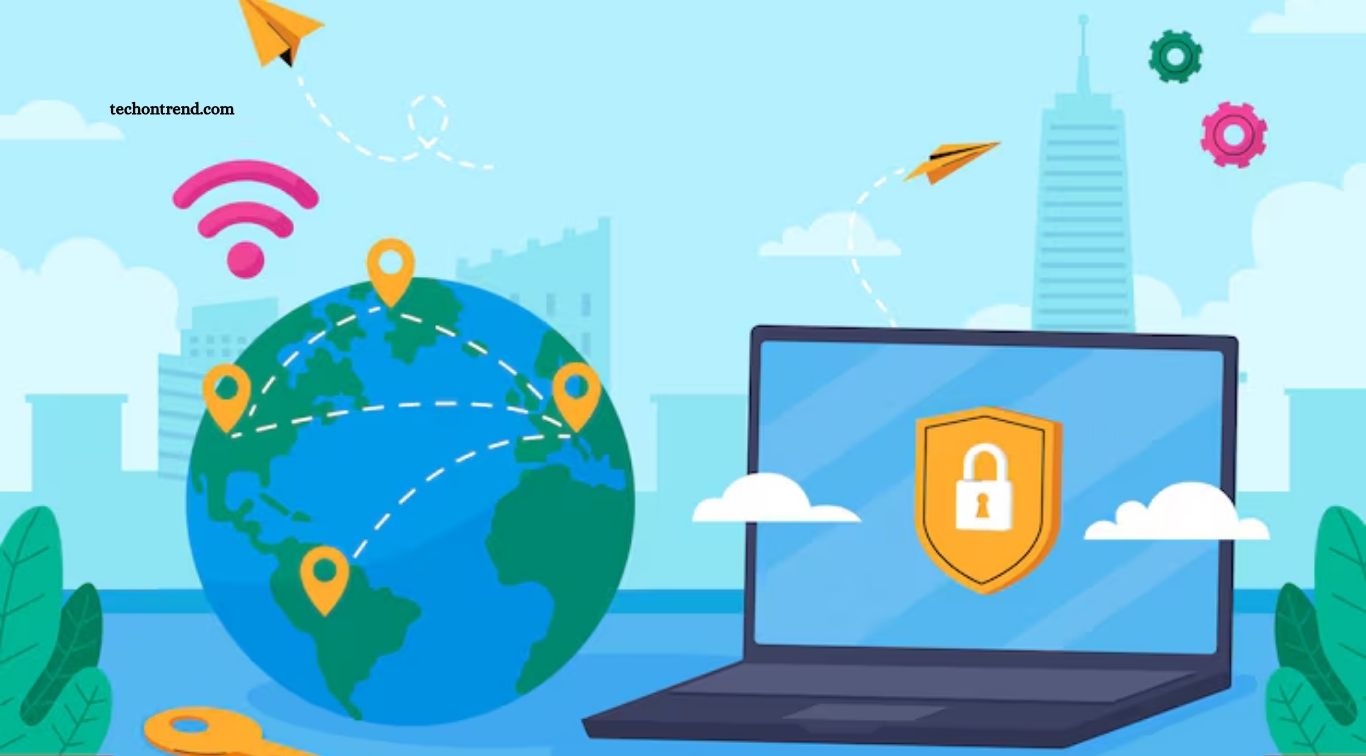
Digital technology has become an essential part of modern life. People use smartphones, computers, social media platforms, online banking services, cloud applications, and digital communication tools every day. While these technologies offer convenience and opportunities, they also create new security and privacy challenges.
Building a safer digital environment requires more than advanced security software. It depends on responsible online behavior, strong cybersecurity practices, privacy awareness, secure digital platforms, and cooperation between individuals, businesses, governments, and technology providers. A safer internet benefits everyone by reducing cyber threats while creating greater confidence in digital services.
Read More: Cybersecurity Trends Every Organization Should Monitor
Understanding Digital Safety
Digital safety means protecting devices, accounts, personal information, and online activities from cyber threats. These threats can include phishing attacks, malware, identity theft, data breaches, online scams, account hacking, and unauthorized access.
Users often become targets because attackers exploit simple mistakes. Weak passwords, suspicious links, outdated applications, and unsafe websites can create opportunities for cybercriminals. Understanding common digital risks helps people make better decisions and recognize potentially dangerous activities before they cause harm.
Using Strong Passwords and Secure Authentication
Strong passwords remain one of the simplest ways to improve online security. Users should avoid predictable passwords based on names, birthdays, phone numbers, or commonly used words. A unique password for every important account can also limit damage if one service experiences a security breach.
Multi-factor authentication provides another important layer of protection. Instead of relying only on a password, authentication can require an additional verification method, such as an authentication app, security key, or temporary code. This makes unauthorized account access significantly more difficult.
Protecting Personal Information Online
Personal information has become valuable in the digital economy. Names, addresses, phone numbers, financial details, photographs, login credentials, and browsing information can reveal a great deal about an individual.
Users should carefully consider what information they share online. Social media profiles should use appropriate privacy settings, while sensitive information should only be provided through trusted platforms. Limiting unnecessary data sharing can reduce the potential impact of identity theft, scams, and other privacy threats.
Recognizing Phishing and Online Scams
Phishing remains one of the most common methods used by cybercriminals. Attackers may send convincing emails, text messages, or social media messages designed to make users click malicious links or provide confidential information.
Suspicious messages often create urgency by claiming that an account will be closed, a payment has failed, or immediate action is required. Users should verify unexpected requests through official websites or trusted contact methods instead of clicking unfamiliar links. Careful verification can prevent many successful scams.
Keeping Devices and Software Updated
Software updates are an important part of digital security. Operating system developers and application providers regularly release security patches to address vulnerabilities that attackers could exploit.
Delaying updates can leave devices exposed to known security weaknesses. Users should enable automatic updates whenever possible and regularly update browsers, mobile applications, operating systems, and security software. Keeping technology current provides a stronger foundation for digital protection.
Creating Safer Digital Spaces for Children
Children increasingly depend on digital platforms for education, communication, entertainment, and social interaction. Creating a safer digital environment for younger users requires both technology and education.
Parents, teachers, and guardians can help children understand privacy, responsible sharing, cyberbullying, suspicious messages, and appropriate online behavior. Age-appropriate parental controls and privacy settings can provide additional protection while allowing children to develop healthy digital habits.
Improving Cybersecurity in Businesses
Businesses have an important responsibility to protect customer and employee information. A single security incident can expose sensitive data, interrupt operations, damage reputation, and create high financial costs.
Organizations should implement access controls, employee security training, regular backups, encryption, network monitoring, and incident response plans. Employees should also understand how to identify phishing attempts, use company systems securely, and report suspicious activity.
Building Privacy-Friendly Technology
Technology companies play a major role in creating a safer digital environment. Security and privacy should be considered during product development instead of being added only after problems appear.
Privacy-friendly design can reduce unnecessary data collection, provide transparent privacy controls, strengthen encryption, and give users greater control over their information. Clear explanations also help people understand how their data is collected, stored, and used.
The Importance of Digital Literacy
Cybersecurity tools cannot solve every digital safety problem. People also need the knowledge required to make informed decisions online.
Digital literacy teaches users how to evaluate information, identify suspicious websites, protect accounts, understand privacy settings, and respond to online threats. Schools, workplaces, community organizations, and technology providers can all contribute to improving digital literacy.
Responding Quickly to Security Threats
Even strong security practices cannot eliminate every risk. When an account or device is compromised, quick action can reduce potential damage.
Users should change affected passwords, enable additional authentication, disconnect compromised devices when appropriate, and contact relevant service providers. Businesses should follow established incident response procedures and communicate clearly with affected users when necessary.
Working Together for a Safer Digital Future
Digital safety is a shared responsibility. Individuals can protect their accounts and personal information, businesses can strengthen their systems, technology companies can develop safer products, and governments can establish effective cybersecurity and privacy standards.
Cooperation becomes especially important as cyber threats continue to evolve. Sharing security knowledge, reporting harmful activities, improving digital education, and investing in reliable cybersecurity solutions can help create a stronger digital ecosystem.
Frequently Asked Questions
What is a safer digital environment?
A safer digital environment protects users, devices, accounts, and personal information from online threats.
Why is digital safety important?
Digital safety helps prevent hacking, identity theft, scams, data breaches, and unauthorized access.
How can users protect their online accounts?
Use strong, unique passwords, enable multi-factor authentication, and avoid suspicious links.
How can personal information be protected online?
Share only necessary information and use trusted websites with strong privacy and security controls.
How can businesses improve digital security?
Businesses should use security training, encryption, access controls, backups, and regular software updates.
What is the role of digital literacy in online safety?
Digital literacy helps people recognize threats, protect their information, and make safer online decisions.
Conclusion
Building a safer digital environment for everyone requires continuous awareness, responsible technology use, strong security practices, and cooperation. Simple actions such as using unique passwords, enabling multi-factor authentication, updating software, protecting personal information, and recognizing phishing attempts can significantly improve online safety. A secure digital future is not created by technology alone. It depends on people understanding digital risks and organizations taking responsibility for protecting their users.
