

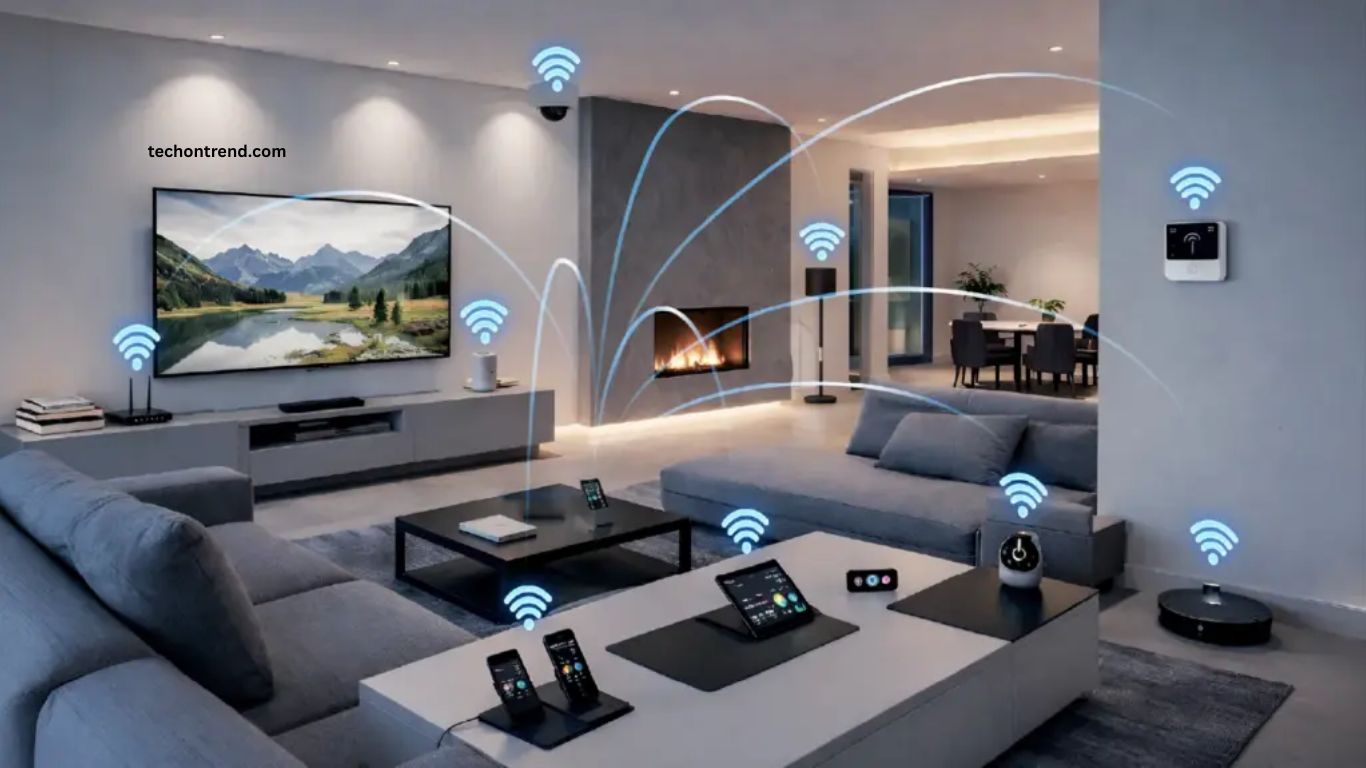
Smart technology continues reshaping modern life through intelligent automation, advanced connectivity, and powerful artificial intelligence. Every year introduces faster devices, smarter software, and more efficient digital systems that simplify everyday activities while improving productivity across industries.
The next generation of smart technology goes beyond convenience by creating connected ecosystems capable of learning user behavior, predicting needs, and delivering personalized experiences. Businesses, professionals, students, and families all benefit from innovations designed for greater efficiency, stronger security, and enhanced communication.
Read More: Why Emerging Technologies Are Reshaping the Digital Economy
Evolution of Smart Technology
Technology has progressed from simple digital tools into intelligent systems capable of making real-time decisions. Earlier generations focused primarily on automation, while modern smart solutions combine artificial intelligence, machine learning, cloud computing, and Internet of Things connectivity. These technologies work together to deliver seamless digital experiences across multiple devices.
Modern ecosystems connect smartphones, wearable devices, vehicles, appliances, and workplaces through secure cloud networks. This interconnected environment creates faster communication, efficient resource management, and improved user experiences without requiring constant manual control.
Artificial Intelligence Driving Innovation
Artificial intelligence remains the foundation of next-generation smart technology. Advanced AI systems analyze enormous amounts of information within seconds, allowing businesses and consumers to make better decisions through predictive insights.
Virtual assistants understand natural conversations more accurately than ever before. Smart recommendation engines personalize entertainment, shopping, education, and workplace productivity. AI-powered automation reduces repetitive tasks, allowing professionals to focus on creativity, strategic planning, and complex problem-solving.
Continuous learning enables intelligent systems to improve performance over time, making future technology increasingly responsive and adaptive.
Smart Homes Becoming Truly Intelligent
Modern smart homes extend beyond voice-controlled lighting and thermostats. Next-generation systems integrate security cameras, appliances, climate control, entertainment systems, energy management, and home monitoring into one intelligent platform.
These connected systems recognize daily routines, optimize electricity usage, improve home security, and automatically adjust environmental settings for greater comfort. Advanced sensors detect unusual activity, monitor air quality, and notify homeowners about maintenance issues before expensive repairs become necessary.
Greater compatibility between manufacturers also creates smoother integration across multiple smart devices.
Healthcare Powered by Intelligent Technology
Healthcare continues to experience remarkable improvements through smart technology. Wearable devices monitor heart rate, sleep quality, oxygen levels, physical activity, and overall wellness continuously throughout the day.
Artificial intelligence assists medical professionals by analyzing medical images, identifying disease patterns, and supporting faster diagnosis. Remote healthcare platforms allow patients to receive consultations without traveling long distances, improving accessibility for rural communities and busy professionals.
Predictive healthcare systems also identify potential health risks earlier, allowing preventive care before serious conditions develop.
Smarter Workplaces Increasing Productivity
Businesses increasingly rely on intelligent technology to improve efficiency, communication, and decision-making. Cloud-based collaboration platforms connect global teams while artificial intelligence automates scheduling, customer service, data analysis, and workflow management.
Smart offices use occupancy sensors, automated lighting, environmental controls, and intelligent meeting systems to reduce operational costs while creating comfortable working environments. Real-time analytics help managers understand performance trends and optimize business operations more effectively. These innovations strengthen competitiveness while supporting flexible hybrid work environments.
Education: Entering a New Digital Era
Educational technology continues transforming learning experiences through personalization and accessibility. Artificial intelligence identifies learning patterns and recommends customized educational content based on individual strengths and weaknesses.
Interactive digital classrooms encourage collaboration regardless of physical location. Virtual laboratories, augmented reality, and immersive simulations allow students to understand complex concepts through practical experiences instead of traditional memorization alone.
Teachers also benefit from automated grading systems and intelligent learning analytics that highlight student progress more accurately.
Transportation Becoming More Connected
Transportation technology advances rapidly through intelligent navigation, connected vehicles, and autonomous driving research. Smart traffic management systems reduce congestion using real-time traffic analysis and adaptive signal control.
Connected vehicles communicate with surrounding infrastructure, improving road safety while optimizing travel efficiency. Electric vehicles increasingly integrate artificial intelligence for battery optimization, predictive maintenance, and intelligent route planning. Future transportation networks promise greater sustainability alongside improved passenger convenience.
Cybersecurity Protecting Smart Ecosystems
Greater connectivity increases cybersecurity importance across every digital environment. Next-generation security solutions rely on artificial intelligence to detect unusual behavior before cyber threats cause significant damage.
Biometric authentication, behavioral analysis, encryption technologies, and zero-trust security models strengthen digital protection across personal devices and enterprise networks. Continuous monitoring enables faster responses against emerging cyber risks. Strong cybersecurity practices remain essential for maintaining trust within expanding smart ecosystems.
Sustainability Through Smart Innovation
Environmental sustainability benefits significantly from intelligent technology. Smart energy grids optimize electricity distribution while renewable energy systems use artificial intelligence to improve efficiency.
Connected agricultural technologies monitor soil conditions, irrigation, and crop health through sensors and satellite imaging. Smart manufacturing reduces waste by optimizing production processes using predictive maintenance and resource management.
These innovations support economic growth while reducing environmental impact through responsible technology adoption.
Future Opportunities
The future of smart technology extends far beyond current innovations. Quantum computing, advanced robotics, intelligent automation, extended reality, and next-generation communication networks promise even greater transformation during the coming years.
Organizations investing in digital innovation will gain competitive advantages through improved efficiency, faster decision-making, and stronger customer experiences. Individuals embracing continuous learning will also remain prepared for evolving technological opportunities.
Collaboration between governments, technology companies, researchers, and educational institutions will accelerate responsible innovation while addressing ethical considerations and digital inclusion.
Frequently Asked Questions
What is smart technology?
Smart technology uses AI, automation, and connected devices to perform tasks intelligently.
Why is next-generation smart technology important?
It improves efficiency, security, productivity, and everyday convenience.
How does AI support smart technology?
AI analyzes data, learns patterns, and automates decision-making.
Which industries benefit the most?
Healthcare, education, business, manufacturing, transportation, and retail.
Is smart technology safe to use?
Yes, when supported by strong cybersecurity, regular updates, and secure passwords.
What is the future of smart technology?
Future innovations include smarter AI, connected ecosystems, robotics, and sustainable digital solutions.
Conclusion
Next-generation smart technology represents more than advanced gadgets or connected devices. Intelligent systems now influence healthcare, education, transportation, business operations, sustainability, cybersecurity, and everyday living. Artificial intelligence, cloud computing, and connected ecosystems continue creating smarter environments that improve productivity, efficiency, safety, and convenience.
