

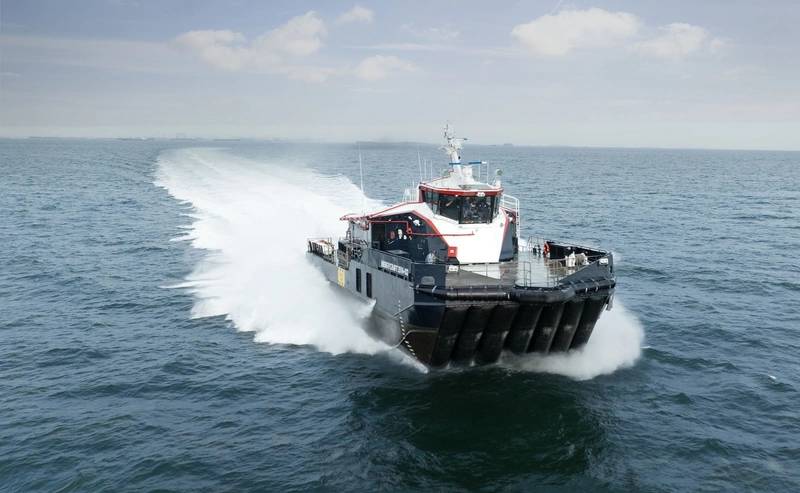
The global offshore energy sector continues to attract significant investment as demand for reliable oil and gas production remains strong despite the ongoing transition toward cleaner energy sources. One of the latest developments comes from SBM Offshore, which has secured $465 million in financing for the Trion Floating Storage and Offloading (FSO) project. The funding highlights growing confidence in large offshore infrastructure developments.
Industry experts believe this financing will support project development while strengthening long-term offshore investment opportunities. As energy companies continue expanding production capacity and improving operational efficiency, floating storage facilities remain essential for supporting global energy supply. The Trion FSO project is expected to play an important role in future offshore production activities.
SBM Offshore Strengthens Its Global Energy Portfolio
SBM Offshore has built a strong reputation as one of the world’s leading offshore engineering companies. The company designs, builds, installs, and operates floating production systems for major oil and gas developments across international markets. Its portfolio includes FPSOs, FSOs, offshore terminals, and renewable energy solutions serving customers worldwide.
The new financing strengthens SBM Offshore’s long-term growth strategy while allowing the company to continue investing in advanced offshore infrastructure. Industry analysts say the agreement reflects confidence in the company’s engineering expertise, project management capabilities, and ability to deliver complex offshore projects on schedule while maintaining high operational standards.
Understanding the Trion FSO Project
The Trion FSO project is designed to provide modern floating storage and offloading services for offshore oil production. Floating Storage and Offloading units safely store crude oil before transferring it to shuttle tankers for transportation to refineries and international markets. These facilities are especially valuable for deepwater developments where fixed infrastructure is less practical.
The project will incorporate advanced engineering technologies to improve safety, operational efficiency, and environmental performance. Digital monitoring systems, automated controls, and modern structural designs will help ensure reliable operations even under demanding offshore conditions. These technologies are expected to improve long-term production reliability and reduce operational risks.
Read More: Europe Faces China’s Rise as a Technology Innovation Powe
$465 Million Financing Marks a Major Milestone
Securing $465 million in project financing represents a significant achievement for the Trion FSO development. Large offshore projects require substantial investment to support engineering, procurement, construction, installation, testing, and operational readiness before production begins. Financial institutions carefully evaluate each project’s technical and commercial potential before approving funding.
Industry experts believe the successful financing demonstrates strong investor confidence in both the Trion project and SBM Offshore’s experience. Stable financial support enables project teams to maintain construction schedules, secure specialized equipment, and coordinate international suppliers efficiently. This funding provides greater certainty throughout the project’s development phase.
Offshore Infrastructure Remains Essential
Although renewable energy continues expanding worldwide, offshore oil and gas production remains an important part of the global energy mix. Many countries still depend on petroleum products for transportation, manufacturing, aviation, and industrial operations. Offshore developments therefore continue supporting energy security while meeting growing global demand.
Floating production and storage facilities provide flexible solutions for extracting resources from remote offshore locations. Modern offshore infrastructure combines improved engineering, digital technologies, and environmental safeguards to maximize production efficiency while reducing emissions and protecting marine environments. Continued investment reflects the industry’s commitment to responsible energy development.
Engineering Innovation Drives Modern Offshore Projects
Engineering innovation has transformed offshore energy production through automation, digital monitoring, advanced materials, and predictive maintenance technologies. Modern floating facilities operate more efficiently while improving equipment reliability, reducing maintenance requirements, and strengthening operational safety throughout production.
SBM Offshore continues investing in advanced engineering solutions that improve vessel performance and lifecycle management. Real-time monitoring systems help operators identify potential issues before equipment failures occur, allowing maintenance teams to respond proactively. These innovations reduce downtime while increasing production efficiency across offshore operations.
Financial Markets Continue Supporting Energy Investment
The successful financing agreement shows that financial institutions continue supporting well-planned offshore energy developments with strong commercial potential. Banks, investment firms, and export credit agencies carefully assess project feasibility, technical capabilities, and expected long-term returns before providing funding. Projects backed by experienced engineering companies often receive stronger financial confidence.
Reliable financing allows project developers to manage construction costs, purchase specialized equipment, and coordinate global supply chains without unnecessary delays. Strong financial partnerships also help reduce investment risks while ensuring major offshore developments remain on schedule. Stable funding continues playing a vital role in delivering large-scale energy infrastructure successfully.
Economic Benefits Extend Beyond Energy Production
Large offshore energy projects create economic benefits that extend far beyond oil production alone. Engineering companies, equipment manufacturers, logistics providers, shipyards, and technology firms all participate in project development. These activities generate employment opportunities while supporting local businesses and strengthening industrial growth.
Governments also benefit through tax revenues, infrastructure investment, and increased economic activity linked to offshore developments. Local suppliers receive contracts for fabrication, transportation, maintenance, and engineering services, helping stimulate regional economies. Major offshore investments therefore contribute to both national energy security and long-term economic development.
Environmental Standards Continue Improving
Environmental protection has become a major priority throughout the offshore energy industry as companies adopt cleaner technologies and stricter operating standards. Modern offshore facilities are designed to reduce emissions, improve fuel efficiency, minimize waste, and strengthen environmental monitoring during production. These improvements support more sustainable offshore operations.
Advanced floating storage units now feature leak detection systems, wastewater treatment technologies, emissions monitoring equipment, and enhanced emergency response capabilities. Digital monitoring platforms continuously evaluate environmental performance while helping operators respond quickly to changing offshore conditions. These innovations improve safety while reducing environmental risks.
Digital Transformation Improves Offshore Operations
Digital transformation continues improving offshore energy production through automation, artificial intelligence, cloud computing, and predictive maintenance systems. Intelligent sensors collect real-time operational data that allows engineers to monitor equipment performance, optimize production, and improve safety across offshore facilities. These technologies increase efficiency while reducing maintenance costs.
Artificial intelligence also supports better decision-making by analyzing weather patterns, equipment conditions, production trends, and maintenance schedules. Remote monitoring centers allow specialists to supervise offshore assets without requiring large offshore workforces. Industry experts expect digital innovation to further transform offshore operations in the coming years.
Future Outlook for Offshore Energy Investment
Energy analysts believe offshore investment will remain strong as global demand for reliable energy continues alongside renewable energy expansion. Companies are expected to prioritize projects offering high operational efficiency, advanced engineering, improved environmental performance, and strong commercial returns. Floating production and storage systems will continue supporting deepwater resource development.
The successful financing of the Trion FSO project highlights growing confidence in offshore infrastructure backed by experienced engineering companies. As construction progresses, the project is expected to demonstrate how financial investment, technological innovation, and engineering expertise can deliver safe and efficient offshore energy production. Continued collaboration across the energy industry will remain essential for future growth.
FAQs (Frequently Asked Questions)
What Is the Trion FSO Project?
The Trion FSO project is an offshore floating storage and offloading facility supporting oil production operations.
How Much Financing Did SBM Offshore Secure?
SBM Offshore secured $465 million in financing for the Trion FSO project.
Why Is the Financing Important?
The funding supports project construction, equipment procurement, and long-term offshore development.
What Does an FSO Do?
An FSO stores offshore-produced crude oil before transferring it to transport tankers.
Why Are Offshore Projects Still Growing?
Global energy demand continues driving investment in efficient offshore production infrastructure.
How Does Technology Improve Offshore Operations?
Digital monitoring, AI, and automation improve safety, efficiency, and equipment reliability.
What Are the Economic Benefits of Offshore Projects?
They create jobs, support local industries, and contribute to economic growth and energy security.
What Is the Future of Offshore Energy?
Future offshore projects will focus on innovation, sustainability, and more efficient energy production.
Conclusion:
The SBM Offshore Trion FSO project represents an important milestone for the global offshore energy industry. The successful $465 million financing demonstrates strong investor confidence in modern offshore infrastructure and advanced engineering capabilities. As energy demand continues growing, floating storage and offloading facilities will remain essential for supporting efficient oil production while improving operational safety and environmental performance. Through continued investment, digital innovation, and sustainable engineering practices, projects like Trion are expected to strengthen global energy security and contribute to the long-term development of the offshore energy sector.
