

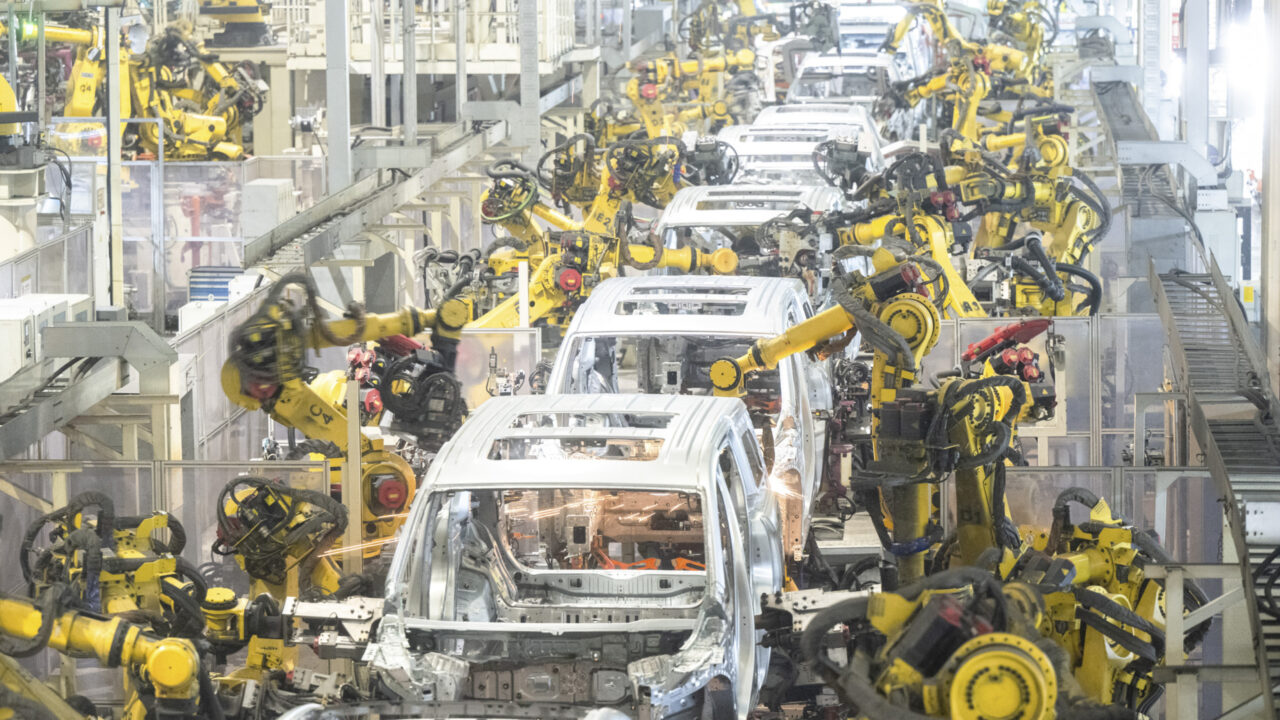
Europe is facing growing pressure to strengthen its technology strategy as China continues expanding its position as a global leader in innovation, advanced manufacturing, artificial intelligence, and digital infrastructure. Over the past decade, China has invested heavily in research and development, semiconductor manufacturing, renewable energy, telecommunications, quantum computing, and emerging technologies that are reshaping global competition. These investments have enabled Chinese companies to become increasingly competitive across international markets while accelerating the country’s technological capabilities. European policymakers, businesses, and research institutions are now evaluating how to maintain economic competitiveness while protecting strategic industries and encouraging domestic innovation in an increasingly complex global environment.
The growing technological influence of China has become an important policy issue for the European Union as governments seek to balance economic cooperation with national security, supply chain resilience, and long-term industrial competitiveness. Experts believe Europe must strengthen investment in research, digital infrastructure, advanced manufacturing, and innovation ecosystems to remain competitive in rapidly evolving technology sectors. At the same time, European leaders continue exploring partnerships with international allies while encouraging greater collaboration among member states. As global competition for technological leadership intensifies, Europe’s response could shape the future of innovation, trade, and economic development for decades to come.
China’s Technology Innovation Continues Accelerating
China has transformed itself into one of the world’s leading technology and innovation powers through sustained investment in scientific research, industrial development, higher education, and digital infrastructure. Government policies supporting advanced manufacturing, artificial intelligence, renewable energy, robotics, semiconductor production, and quantum computing have accelerated technological progress across multiple industries. Chinese technology companies are expanding globally while introducing competitive products in telecommunications, electric vehicles, cloud computing, consumer electronics, and industrial automation.
Research institutions and universities have also contributed significantly by producing scientific discoveries, developing emerging technologies, and strengthening collaboration between academia and industry. Increased funding for research and development has enabled China to compete more effectively in sectors that were previously dominated by Western economies. These developments continue influencing global technology markets while encouraging other regions to increase their own innovation investments.
Europe Faces New Competitive Challenges
Europe has long been recognized for scientific excellence, engineering expertise, and industrial innovation. However, the rapid expansion of China’s technology sector has created new competitive pressures for European businesses and policymakers. Companies operating in advanced manufacturing, semiconductor production, renewable energy, telecommunications, and artificial intelligence must now compete with increasingly capable Chinese firms that continue expanding internationally.
European governments are responding by strengthening industrial strategies focused on innovation, research funding, digital transformation, and technological independence. Policymakers recognize that maintaining competitiveness requires continuous investment in emerging technologies while reducing dependence on external suppliers for strategically important industries. Building resilient innovation ecosystems has become a central objective for Europe’s long-term economic development.
Artificial Intelligence Becomes a Strategic Priority
Artificial intelligence has become one of the most important areas of global technology competition. China continues investing heavily in AI research, machine learning, intelligent manufacturing, healthcare technologies, autonomous systems, and smart city development. These investments support economic modernization while improving productivity across multiple industries. European governments recognize that AI will play a crucial role in future competitiveness and economic growth.
Europe is increasing investments in responsible AI development by emphasizing ethical standards, transparency, privacy protection, and regulatory oversight. Universities, research laboratories, and technology companies continue collaborating on AI innovation while ensuring that new technologies align with European values and legal frameworks. Experts believe balancing innovation with responsible governance will remain one of Europe’s key competitive advantages.
Semiconductor Independence Gains Importance
Semiconductors have become one of the most strategically important technologies supporting modern economies. Everything from smartphones and automobiles to medical equipment and defense systems depends on advanced semiconductor manufacturing. Global supply chain disruptions have highlighted the importance of securing reliable access to critical components while reducing dependence on limited manufacturing locations.
European policymakers are encouraging greater investment in domestic semiconductor production through public funding, international partnerships, and private-sector collaboration. Building stronger manufacturing capabilities can improve economic resilience while supporting industries that depend on reliable chip supplies. Similar investments are occurring worldwide as governments seek greater technological independence and supply chain security.
Innovation Investment Drives Economic Growth
Research and innovation remain essential drivers of long-term economic competitiveness. European governments continue increasing support for scientific research, startup companies, technology incubators, university partnerships, and digital infrastructure projects. These investments encourage innovation while helping businesses develop new products, improve productivity, and create high-skilled employment opportunities across member states.
Collaboration between universities, private companies, and government agencies strengthens Europe’s ability to commercialize scientific discoveries more efficiently. Supporting entrepreneurs, expanding venture capital access, and promoting technology transfer can further accelerate innovation while improving global competitiveness. Long-term investment remains one of the most effective strategies for maintaining technological leadership.
Digital Infrastructure Supports Future Competitiveness
Modern digital infrastructure plays a critical role in supporting economic development, technological innovation, and industrial modernization. High-speed broadband networks, 5G connectivity, cloud computing, data centers, cybersecurity systems, and advanced digital services enable businesses to operate more efficiently while encouraging innovation across multiple sectors. Europe continues expanding investments in digital infrastructure to strengthen competitiveness and support digital transformation.
Reliable digital infrastructure also improves education, healthcare, transportation, financial services, and public administration. Governments recognize that strong digital connectivity enables businesses to adopt emerging technologies such as artificial intelligence, automation, and cloud computing more effectively. Continued infrastructure development remains essential for supporting future economic growth and technological innovation.
Balancing Cooperation and Competition
Europe’s relationship with China involves both cooperation and competition across technology, trade, research, and investment. China remains an important economic partner for many European businesses, particularly in manufacturing, renewable energy, consumer markets, and scientific collaboration. At the same time, policymakers continue evaluating potential risks related to technology transfer, intellectual property protection, cybersecurity, and strategic industries.
Experts believe future policy will focus on maintaining open economic relationships while strengthening protections for critical technologies and national security interests. Achieving this balance requires careful regulatory frameworks, transparent investment policies, and international cooperation with trusted partners. Businesses operating globally must increasingly navigate both commercial opportunities and evolving regulatory requirements.
Europe’s Long-Term Technology Strategy
Technology experts believe Europe must continue strengthening its long-term innovation strategy to remain globally competitive. Increasing research funding, supporting advanced manufacturing, encouraging entrepreneurship, expanding digital infrastructure, and developing highly skilled workforces will help strengthen Europe’s position within the global technology landscape. Investments in artificial intelligence, quantum computing, biotechnology, renewable energy, and semiconductor manufacturing are expected to become even more important over the coming decade.
International collaboration will remain valuable, but policymakers also emphasize technological resilience and strategic autonomy in key industries. By combining innovation, responsible regulation, scientific excellence, and sustainable economic policies, Europe aims to strengthen its role as a leading global technology and innovation center while adapting to the rapidly changing international competitive environment.
Read More: New Phase of Matter Could Transform Quantum Technology
FAQs (Frequently Asked Questions)
Why Is Europe Focusing More on Technology Innovation?
Europe is increasing investment in innovation to remain competitive as global technology leadership continues evolving.
Why Is China’s Technology Growth Important?
China’s rapid progress in AI, semiconductors, and digital technologies is reshaping global innovation and competition.
Which Technologies Are Most Affected?
Artificial intelligence, semiconductors, quantum computing, biotechnology, and renewable energy are key strategic sectors.
How Is Europe Responding to China’s Rise?
Europe is investing in research, digital infrastructure, advanced manufacturing, and stronger technology partnerships.
Why Are Semiconductors So Important?
Semiconductors power modern electronics, making them essential for economic growth and national security.
Will Businesses Be Impacted?
Yes, companies may need to adapt their investment, supply chain, and innovation strategies to changing global policies.
What Role Does AI Play in Europe’s Strategy?
AI supports innovation, economic growth, automation, and digital transformation across multiple industries.
What Is the Future of Europe’s Technology Sector?
Europe is expected to strengthen innovation through research, strategic investment, and advanced technology development.
Conclusion
Europe‘s response to China’s growing technology and innovation leadership will play a major role in shaping the future global economy. By investing in artificial intelligence, semiconductors, digital infrastructure, research, and advanced manufacturing, Europe aims to strengthen its competitiveness while protecting strategic industries. Although global technology competition continues to intensify, collaboration, innovation, and responsible policymaking remain essential for sustainable growth. As both regions continue advancing new technologies, businesses and governments must adapt to an increasingly dynamic and innovation-driven global landscape.
