

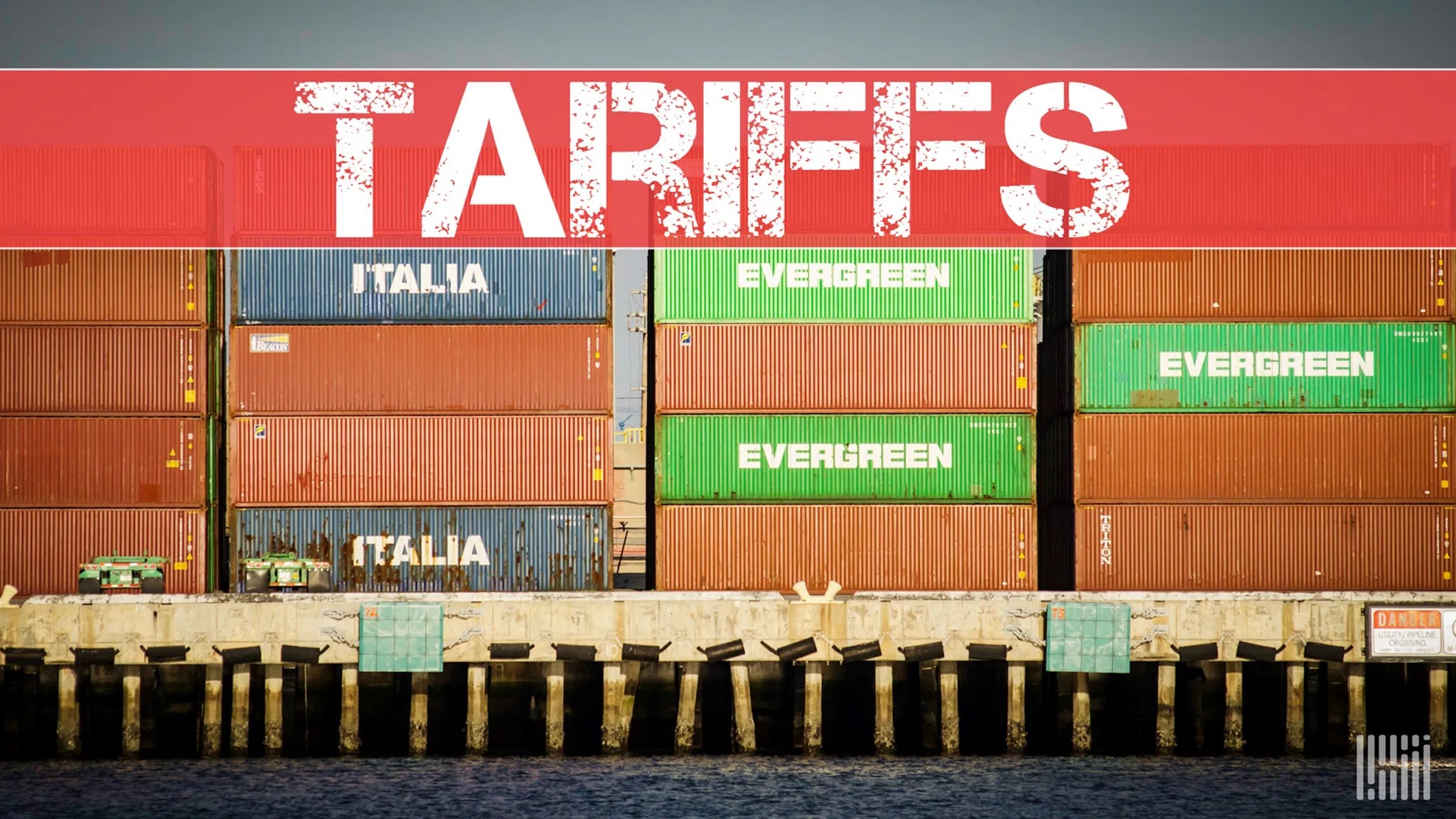
Why Small Businesses Are Avoiding Tariff Refund Lawsuits has become an increasingly important topic as companies continue dealing with the lasting effects of changing international trade policies, higher import costs, and ongoing economic uncertainty. Over the past several years, tariffs imposed on imported goods have significantly increased operating expenses for businesses that rely on global supply chains. While legal experts argue that many eligible companies may recover thousands or even millions of dollars through tariff refund claims, a surprising number of small business owners remain reluctant to pursue legal action. At first glance, filing a lawsuit to recover previously paid tariffs may seem like a smart financial decision that could strengthen cash flow and improve profitability. However, the reality is much more complicated than it appears. Pursuing a tariff refund lawsuit often requires years of financial records, customs documentation, legal representation, and a willingness to navigate a lengthy and uncertain legal process. For many businesses already operating with limited resources, these challenges outweigh the potential financial reward.
Small businesses face a unique set of pressures that differ considerably from those experienced by large corporations. Unlike multinational companies with dedicated legal departments and compliance teams, small businesses often rely on lean management structures where owners wear multiple hats. They must carefully manage cash flow, pay employees on time, maintain strong customer relationships, oversee inventory, and adapt quickly to changing market conditions all while competing with larger organizations that possess greater financial and operational flexibility. Introducing a complex legal dispute into these daily responsibilities can place additional strain on already stretched resources. As a result, many entrepreneurs choose to prioritize stability and growth over uncertain litigation. This article explores why small businesses are avoiding tariff refund lawsuits, explains how these claims work, examines the legal and financial obstacles involved, and provides valuable insights for business owners considering whether pursuing a tariff refund claim is the right decision.
Understanding Tariff Refund Lawsuits
Tariff refund lawsuits arise when businesses believe they have paid import duties that were improperly imposed, incorrectly calculated, or later determined to be legally refundable because of regulatory changes or favorable court rulings. Governments regularly adjust trade policies to respond to international negotiations, economic conditions, political priorities, and evolving relationships with foreign trading partners. As these policies change, certain importers may become eligible to recover a portion of the tariffs they previously paid. For businesses that import products on a regular basis, these refunds can represent a substantial financial opportunity capable of improving cash flow, reducing operating expenses, and supporting future investments.
Although the possibility of recovering these funds sounds attractive, the legal process is rarely straightforward. Businesses must first determine whether they qualify under the relevant laws, trade agreements, or judicial decisions before taking any formal legal action. This often involves reviewing several years of customs declarations, import records, supplier invoices, shipping documentation, tariff classifications, and payment histories. Every document must accurately support the company’s legal position while complying with strict procedural requirements and filing deadlines. Missing records, classification errors, or incomplete documentation can weaken a claim or even prevent a business from receiving a refund altogether. Because of these administrative and legal complexities, many small businesses quickly realize that filing a tariff refund lawsuit demands far more time, expertise, and organizational effort than initially expected.
Why Many Small Businesses Choose Not to File
One of the biggest reasons entrepreneurs avoid tariff refund lawsuits is the uncertainty surrounding legal outcomes. Unlike traditional business investments that may produce measurable returns within months, litigation is unpredictable by nature. Even businesses with seemingly strong legal arguments cannot guarantee success because court decisions depend on evolving legal interpretations, government responses, and complex procedural requirements. Cases frequently take several years to resolve, and even successful rulings may be delayed by appeals or additional administrative reviews. For small business owners focused on keeping their companies financially healthy, committing valuable time and resources to such an uncertain process often appears too risky.
Financial limitations further reinforce this hesitation. Most small businesses operate with carefully managed budgets and limited financial reserves, making every major expenditure an important strategic decision. Hiring attorneys experienced in customs law and international trade can be expensive, particularly when cases require extensive research, expert testimony, and continuous legal support. In addition to attorney fees, businesses must often pay for document preparation, compliance reviews, accounting assistance, and administrative coordination. Even when law firms offer contingency-based fee arrangements, business owners remain responsible for investing internal time and resources throughout the litigation process. Consequently, many entrepreneurs conclude that maintaining current financial stability and investing in business growth provide more reliable returns than pursuing uncertain legal recoveries.
Economic Pressures Make Litigation Less Attractive
The current economic environment has created unprecedented financial pressure for small businesses across nearly every industry. Rising inflation has increased the cost of raw materials, transportation, utilities, insurance premiums, warehouse space, and employee wages. At the same time, global supply chain disruptions continue affecting inventory availability and shipping schedules, while changing consumer spending habits make future revenue more difficult to predict. These ongoing challenges require business owners to make careful financial decisions that prioritize immediate operational stability rather than uncertain long-term opportunities.
Cash flow remains the foundation of every successful small business. Daily revenue is needed to pay suppliers, cover payroll, maintain equipment, purchase inventory, invest in marketing campaigns, and support future expansion plans. Although a successful tariff refund lawsuit could eventually return meaningful financial resources, businesses often wait several years before receiving compensation. During that period, they must continue operating without any guarantee that the lawsuit will ultimately succeed. As a result, many owners prefer allocating available capital toward initiatives that generate measurable returns within months rather than years. Investments in technology, workforce development, customer experience, product innovation, and market expansion frequently provide greater certainty and a faster return on investment than prolonged litigation.
Legal Complexity Creates Significant Challenges
International trade law is widely regarded as one of the most specialized and technically demanding areas of modern legal practice. Successfully pursuing a tariff refund claim requires a thorough understanding of customs regulations, tariff classifications, international trade agreements, import compliance procedures, administrative appeals, and federal court litigation. Most small business owners are experts in managing operations, serving customers, and growing their businesses not interpreting complex customs legislation. This knowledge gap alone makes the litigation process intimidating for many entrepreneurs before they even consult an attorney.
Even after hiring qualified legal counsel, businesses remain actively involved throughout the case. Attorneys frequently request detailed customs declarations, supplier contracts, purchase orders, shipping manifests, commercial invoices, product specifications, payment confirmations, correspondence with customs officials, and historical import records spanning multiple years. Gathering, reviewing, organizing, and verifying these documents consumes valuable employee time and increases administrative costs. For companies operating with small teams, diverting staff away from customer service, sales, inventory management, or production can negatively affect overall business performance. These practical challenges demonstrate why many small businesses ultimately determine that the legal complexity associated with tariff refund lawsuits outweighs the potential financial benefits.
Balancing Potential Rewards Against Real Risks
Every successful business decision requires carefully balancing potential rewards against associated risks, and tariff refund litigation is no exception. On one hand, businesses that qualify and ultimately succeed may recover significant sums that improve liquidity, strengthen financial stability, reduce historical operating costs, and provide additional capital for future growth initiatives. For companies that imported substantial quantities of goods over several years, these refunds could represent meaningful financial relief capable of supporting expansion, hiring, technology upgrades, or debt reduction. These potential advantages explain why trade attorneys and industry consultants continue encouraging eligible businesses to review their legal options.
However, responsible business leaders must evaluate more than potential financial recovery. Litigation involves uncertainty, extended timelines, legal expenses, administrative burdens, and considerable opportunity costs that are often overlooked during the initial decision-making process. Time devoted to gathering documentation, communicating with legal teams, attending meetings, and monitoring court proceedings cannot simultaneously be invested in expanding product offerings, improving operational efficiency, strengthening customer relationships, or entering new markets. For many growing businesses, these lost opportunities carry significant financial consequences. After carefully weighing both the potential benefits and the practical challenges, many entrepreneurs conclude that avoiding tariff refund lawsuits represents the most strategic and financially responsible decision under current economic conditions.
Read More: Golden Temple in Brookline Closes After 66 Years of Business
FAQs (Frequently Asked Questions)
Why Avoid Tariff Refund Lawsuits?
Many small businesses avoid tariff refund lawsuits because of high legal costs, lengthy court proceedings, uncertain outcomes, and the complexity of the claims process.
What Is a Tariff Refund Lawsuit?
A tariff refund lawsuit is a legal action filed by businesses seeking to recover import duties they believe were improperly imposed or collected under certain trade policies.
Are Tariff Refund Lawsuits Worth It?
The answer depends on the potential refund amount, legal expenses, available documentation, and whether the expected financial benefit outweighs the risks.
How Long Do Lawsuits Take?
Most tariff refund lawsuits can take several months to several years, depending on the complexity of the case and the legal process involved.
What Documents Are Needed?
Businesses generally need import records, customs declarations, invoices, shipping documents, tariff classifications, and payment records to support their claims.
Is a Lawyer Required?
Although it may be possible in some situations, hiring an experienced international trade attorney greatly improves the chances of preparing a strong and compliant claim.
What Are the Main Risks?
The main risks include legal expenses, lengthy litigation, uncertain court decisions, administrative burdens, and the possibility of receiving little or no refund.
How Should Businesses Decide?
Business owners should carefully evaluate the potential refund amount, legal costs, available evidence, financial resources, and seek professional legal advice before making a decision.
Conclusion:
Why Small Businesses Are Avoiding Tariff Refund Lawsuits ultimately comes down to balancing potential financial gains against the risks, costs, and complexities of legal action. While tariff refunds may offer valuable opportunities for some businesses, many small companies choose to focus on maintaining cash flow, managing daily operations, and investing in long-term growth instead of engaging in uncertain litigation. Before filing a claim, business owners should carefully evaluate their financial position, available documentation, and legal options. Seeking professional advice can help determine whether pursuing a tariff refund lawsuit is the right strategic decision for their business.
